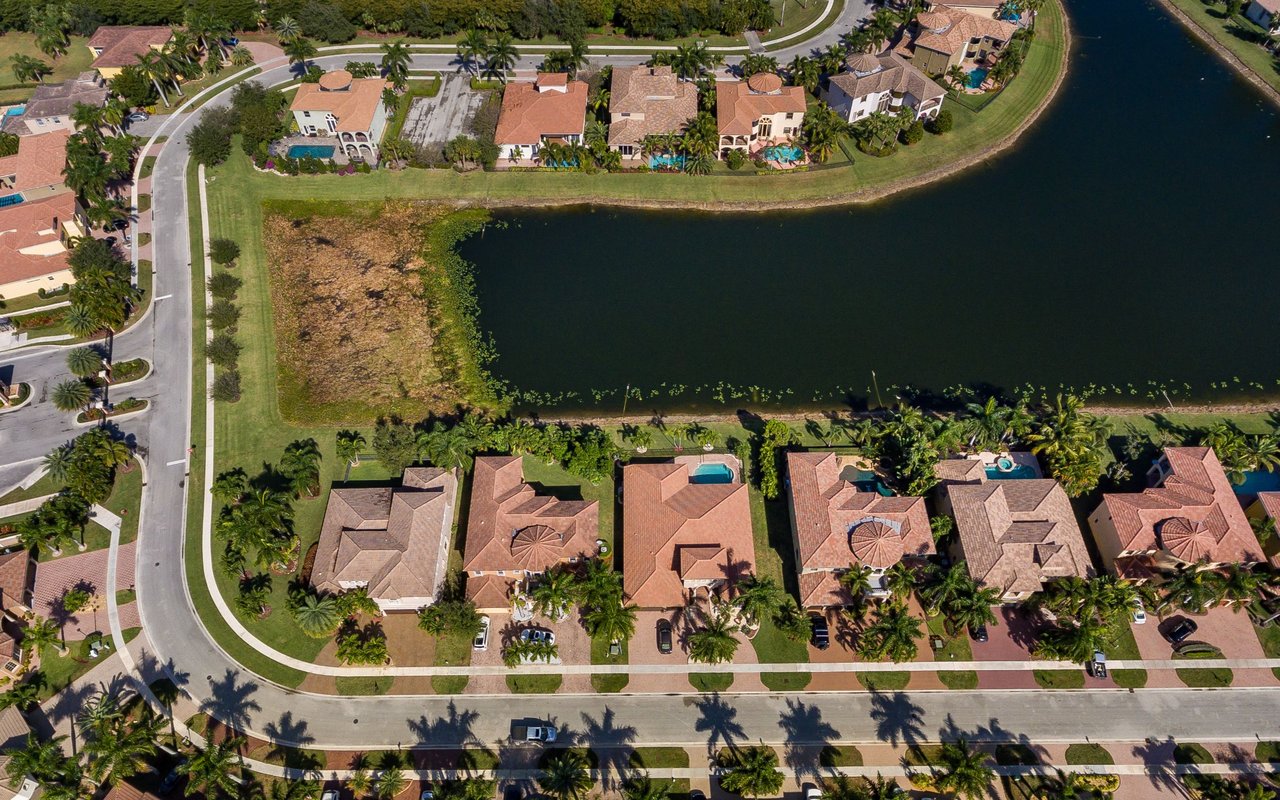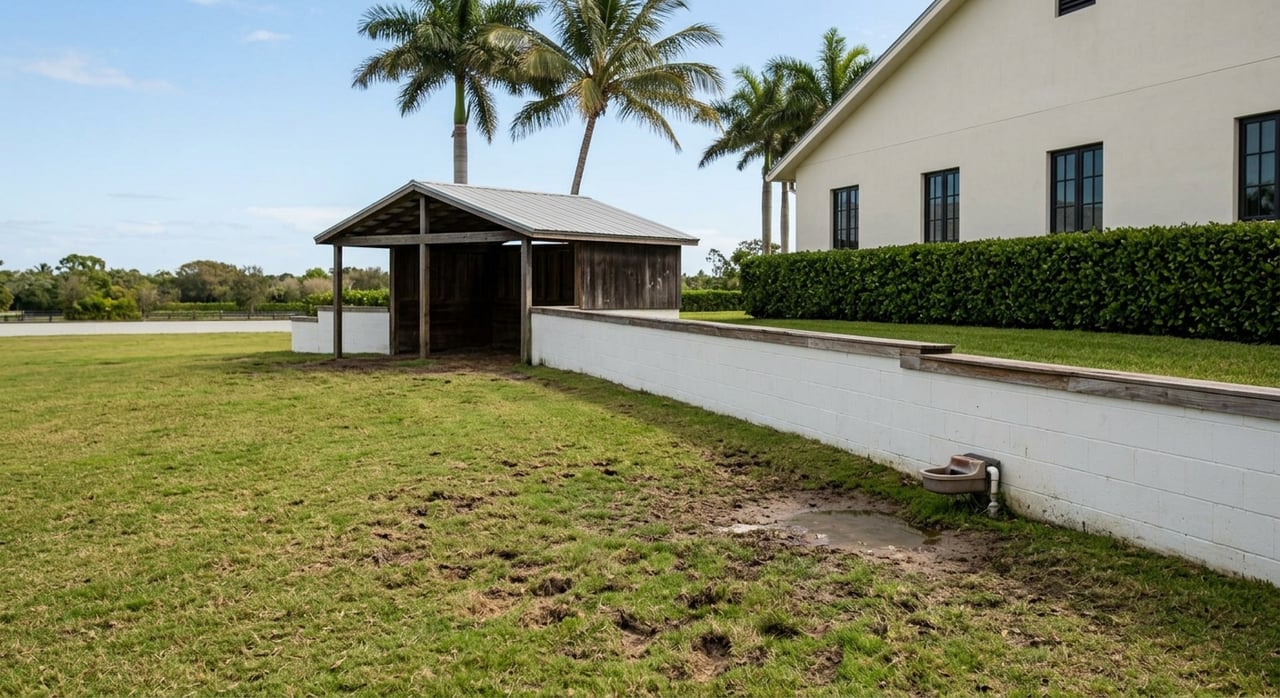
If you are searching for an equestrian property in Loxahatchee Groves, acreage alone does not tell the whole story. A farm can look impressive at first glance, yet still fall short if the barn workflow is awkward, the arena does not drain well, or the pastures create daily management problems. This guide will help you look past the surface and evaluate barns, arenas, and pastures in a way that fits how horse properties actually function here. Let’s dive in.
Why Loxahatchee Groves Feels Different
Loxahatchee Groves is built around a rural, low-density pattern that shapes how equestrian properties are used. The town’s adopted planning framework supports very low-density living, and Agricultural Residential zoning is intended to preserve the area’s rural and agricultural character.
That matters when you tour a property. While town communications note that many lots are 5 acres or more, county records show equestrian parcels can range from about 2.48 acres to 7.51 acres. Before you assume there is room for more stalls, a larger ring, or another structure, you need to confirm whether the parcel is conforming, a historic nonconforming lot, or an assemblage.
County records also frequently identify these properties as AG Classification EQUESTRIAN under AR zoning. In practical terms, that reflects what many buyers already sense in the market: this is a place where equine use is part of the property story, not an afterthought.
Start With the Land Plan
In Loxahatchee Groves, the land plan often matters as much as the improvements. A beautiful barn or ring can lose value quickly if the site layout creates circulation problems or limits future upgrades.
The town’s planning documents tie together roadway conditions, rights-of-way, canal-edge issues, traffic patterns, and equestrian trail connections. For you as a buyer, that means access should be part of your property review from day one, especially if you will be moving trailers, service vehicles, or horses on and off the parcel.
Check Parcel Status First
Before you focus on finishes or amenities, verify the parcel’s legal and physical setup. This is especially important if you are considering adding a covered arena, expanding the barn, or reworking paddocks.
A property may appear large enough on paper, but layout and zoning realities can limit what fits. That is why careful due diligence on parcel status should come before any assumptions about development potential.
Think About Access as Daily Function
Access in Loxahatchee Groves is not just about getting a truck through the gate. It also includes how the road approach, right-of-way conditions, and site circulation support trailers, horse traffic, and daily farm operations.
The town identifies equestrian trail connectivity as an ongoing objective, including the existing F Road equestrian trail. If bridle access matters to your riding routine, ask early whether the property can connect to that broader network or whether use will stay entirely on the parcel and adjoining road shoulders.
Barns That Work in Real Life
A barn in Loxahatchee Groves should support both daily efficiency and storm-minded planning. Local listing inventory shows a range of familiar features, including center-aisle barns, shed-row barns, run-in sheds, tack rooms, feed rooms, wash stalls, trailer storage, fans, mats, and in some cases attached lounges or apartments.
Those features are useful, but the bigger question is whether they work together. A well-equipped barn still needs a practical layout that helps horses and people move safely and cleanly through the day.
Focus on Horse Flow
When you tour, picture the routine from stall to wash stall to tack area to paddock to trailer. If that path crosses muddy choke points, shared driveways, or cramped turns, the property may become less functional than it first appears.
In this market, smooth circulation is not a luxury detail. It is part of how the site supports training, hauling, turnout, and staff efficiency.
Evaluate Barn Construction Carefully
The town’s hurricane guidance notes that well-constructed pole barns or concrete block barns may offer help in a storm, but it also warns that horses can be trapped if a building fails. That means barn review should include more than appearance or stall count.
As you assess a barn, consider the quality of construction, the condition of doors and aisles, and how the facility fits into the property’s broader storm plan. A barn should support daily care while also making sense within the realities of South Florida weather.
Arenas: More Than Just Size
Arena sizes in Loxahatchee Groves vary widely. Current local listings show examples ranging from about 85 by 200 feet to much larger formats such as 130 by 200, 150 by 250, 230 by 175, and even 300 by 150, often paired with details like GGT footing, all-weather surfaces, lighting, round pens, or covered viewing areas.
That range tells you something important. In this market, arena quality is judged less by whether a ring exists and more by whether it performs well for the intended discipline.
Prioritize Footing and Drainage
The two arena questions that matter most are simple: How consistent is the footing, and how quickly does the ring drain? In a town where planning materials repeatedly discuss drainage, canal-bank conditions, and road maintenance, those issues are not theoretical.
If you ride regularly, poor drainage can disrupt training, increase maintenance, and shorten the useful life of the surface. A ring that looks polished on a sunny day may tell a very different story after a heavy rain.
Consider Expansion Before You Need It
If you may want a second arena, a larger ring, or a covered arena later, ask that question during the first tour. In the Agricultural Residential district, structures are subject to setbacks that include 50 feet in the front, 25 feet on the sides and rear, and 40 feet on a side street.
Those dimensions can affect how a future facility fits on the site. If expansion is part of your long-term plan, it is smart to evaluate available buildable area before you buy, not after.
Pastures Need a Safety Review
Pastures are easy to underestimate because open land can look simple at first glance. In reality, pasture safety and usability are some of the most important parts of an equestrian property review.
The town’s hurricane preparedness guidance says that a pasture with good fencing and limited trees may be the safer place for horses in a storm. It also specifically warns against power lines, barbed wire, and electric fencing.
Inspect Fencing, Shade, and Gates
As you walk the property, pay close attention to the fence type, gate condition, shade placement, and tree cover. You want to understand not just whether the pasture is enclosed, but whether it supports safe turnout and practical management.
Tree cover deserves special attention. Shade can be valuable, but the location and density of trees should be weighed alongside storm safety and pasture usability.
Ask About Manure Handling
In Loxahatchee Groves, manure handling is not a background detail. The town prohibits dumping horse manure and requires permitted livestock waste hauling, with deliveries staged minimum distances from property boundaries and wells and spread within 72 hours.
For you, that makes manure management a site-planning issue. Ask where staging occurs, how removal is handled, and whether the layout supports clean and compliant operations.
A Smart Touring Checklist
When you visit barns, arenas, and pastures in Loxahatchee Groves, it helps to stay disciplined. A focused checklist can keep you from getting distracted by cosmetic features and help you compare properties more clearly.
- Confirm whether the parcel is conforming, a legacy nonconforming lot of record, or an assemblage.
- Walk the full trailer route from road to gate to barn to ring.
- Ask which barn features are already in place, such as layout style, tack and feed rooms, wash stalls, fans, mats, and trailer storage.
- Confirm arena footing, drainage, lights, irrigation, and whether the size fits your discipline.
- Inspect pasture fencing, shade, tree cover, power-line exposure, and gate condition.
- Ask how manure staging, hauling, or removal is handled.
- Find out whether the property has any path to local trail connectivity.
What Strong Equestrian Properties Share
The most compelling equestrian properties in Loxahatchee Groves usually share the same core strengths. The acreage works with the zoning, the barn supports clean daily flow, the arena matches the rider’s needs, the pastures are safer and easier to manage, and the site offers practical access for both trailers and horses.
That is the kind of full-picture review that helps you buy with confidence. If you are comparing horse properties in Palm Beach County, a specialist eye can make the difference between a property that simply looks the part and one that truly works.
If you want a discreet, technically informed review of equestrian property opportunities in Loxahatchee Groves, schedule a confidential consultation with David Welles.
FAQs
What should you check first on a Loxahatchee Groves horse property?
- Start by confirming whether the parcel is conforming, a historic nonconforming lot, or an assemblage before assuming you can add stalls, expand the barn, or build another arena.
What matters most in a Loxahatchee Groves arena?
- The key factors are footing consistency, drainage speed, and whether the ring size and setup fit your riding discipline.
What barn features are common in Loxahatchee Groves?
- Buyers often see center-aisle barns, shed-row barns, run-in sheds, tack rooms, feed rooms, wash stalls, mats, fans, and trailer storage.
Why is trail access important in Loxahatchee Groves?
- The town’s planning documents identify equestrian trail connectivity, including the F Road equestrian trail, as part of the local transportation and access picture.
What should you look for in Loxahatchee Groves pastures?
- Focus on fencing, gate condition, shade placement, tree cover, power-line exposure, and whether the setup supports safer turnout and storm planning.
How does manure handling affect a Loxahatchee Groves farm purchase?
- Local rules make manure handling a practical operational issue, so you should ask how staging, hauling, and removal work on the property.