If you are buying an equestrian property in Wellington, the arena and barn cannot be treated like simple amenities. In this market, they are the heart of how the property performs day to day, especially when your standards are shaped by one of the most active show environments in the world. If you want a farm that truly fits your horses, your discipline, and your routine, the details matter. Let’s dive in.
Why Wellington Sets a Higher Standard
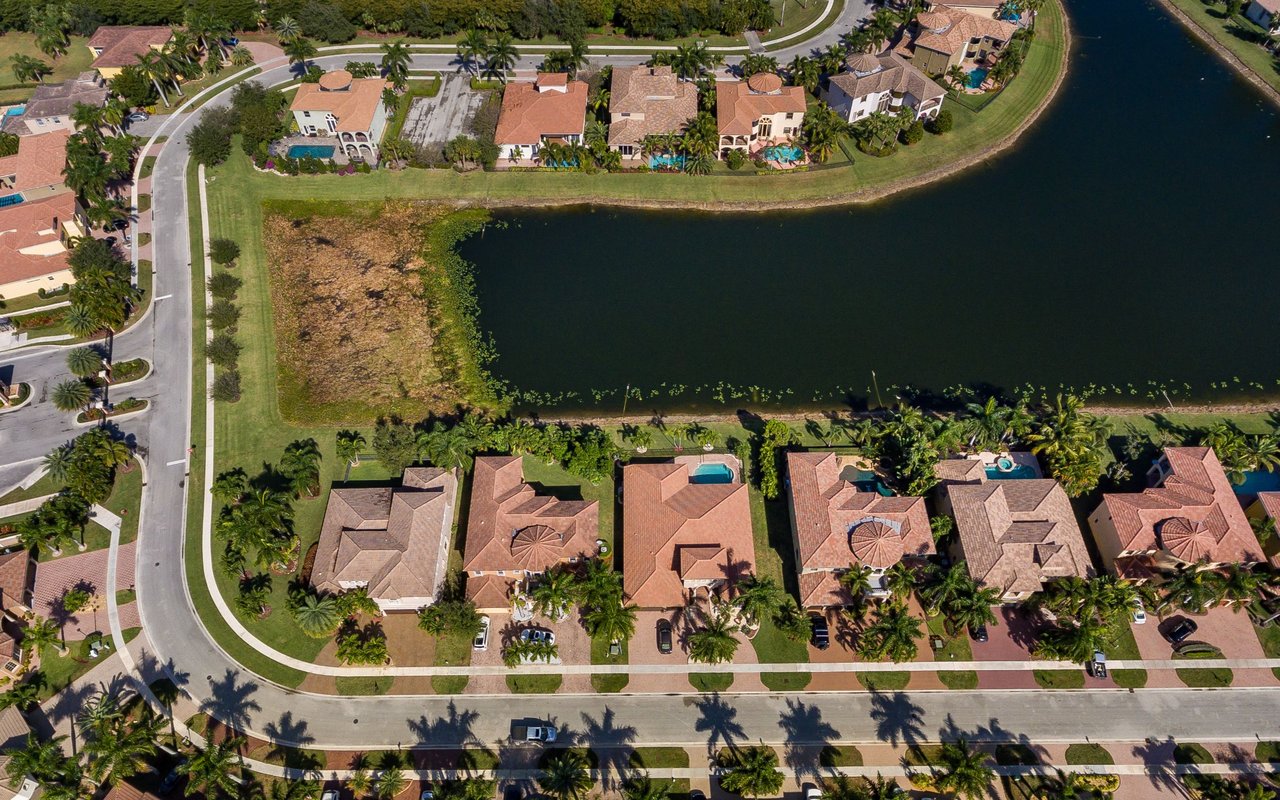
Wellington is not a typical horse-farm market. The Village identifies its equestrian community as spanning about 9,000 acres with more than 580 farms across polo, dressage, hunter/jumper, and recreational riding. That scale alone changes how you should evaluate a property.
The local benchmark is also unusually high. Wellington International, home to the Winter Equestrian Festival and Adequan Global Dressage Festival, continues to invest in upgraded footing, renovated FEI barns, and a new 205-by-420 covered arena. When you tour a private farm in Wellington, you are often measuring it against the standards of a major competition venue, whether you realize it or not.
Start With the Arena System
The biggest mistake buyers make is focusing only on the top layer of footing. In reality, an arena works as a system that includes the footing, base, sub-base, drainage, and irrigation. If one part is weak, the whole riding experience can suffer.
Research on arena design consistently points to the same principle: the base and sub-base are critical, and watering is a normal part of maintenance. Sand is often the core component in many arenas, and clean silica sand is commonly used in fiber-sand surfaces because it supports both durability and drainage.
In Wellington, that systems approach matters even more because of Florida’s rainfall and high water table. Local agricultural guidance highlights the importance of drainage ditches and water-management practices, and Wellington International’s own facility materials reference improved drainage and silica sand and fiber footing across rings and schooling areas. In practical terms, that means you should evaluate how the arena handles water, not just how it looks on a dry day.
Questions to Ask About Arena Performance
When you walk a property, focus on how the arena performs under real use conditions. A polished presentation can hide problems that only show up after rain or repeated rides.
Ask questions like these:
- Does the arena dry evenly after a storm?
- Does the footing stay level along the rail and at the corners?
- Does irrigation cover the full riding surface?
- Is there a clear maintenance routine for watering and dragging?
- Are the arena base and drainage systems documented or explained clearly?
These questions may sound technical, but they are essential in Wellington. A beautiful ring that rides inconsistently can quickly become a costly problem.
Covered or Outdoor Arena?
The right answer depends on your discipline and schedule. In Wellington’s show-driven environment, covered space can be a major advantage because it supports more consistent training through changing weather conditions.
Wellington International’s current upgrades reflect that priority. The venue is expanding covered riding options, which signals how valuable that feature has become in the local performance landscape. If your routine depends on reliable daily schooling, a covered arena may move from nice-to-have to must-have.
Outdoor arenas can still work very well, especially if the footing, drainage, and irrigation are all strong. The key is to judge the arena by how consistently it rides and recovers, not by whether it is covered or uncovered in name alone.
Barn Layout Matters More Than Stall Count
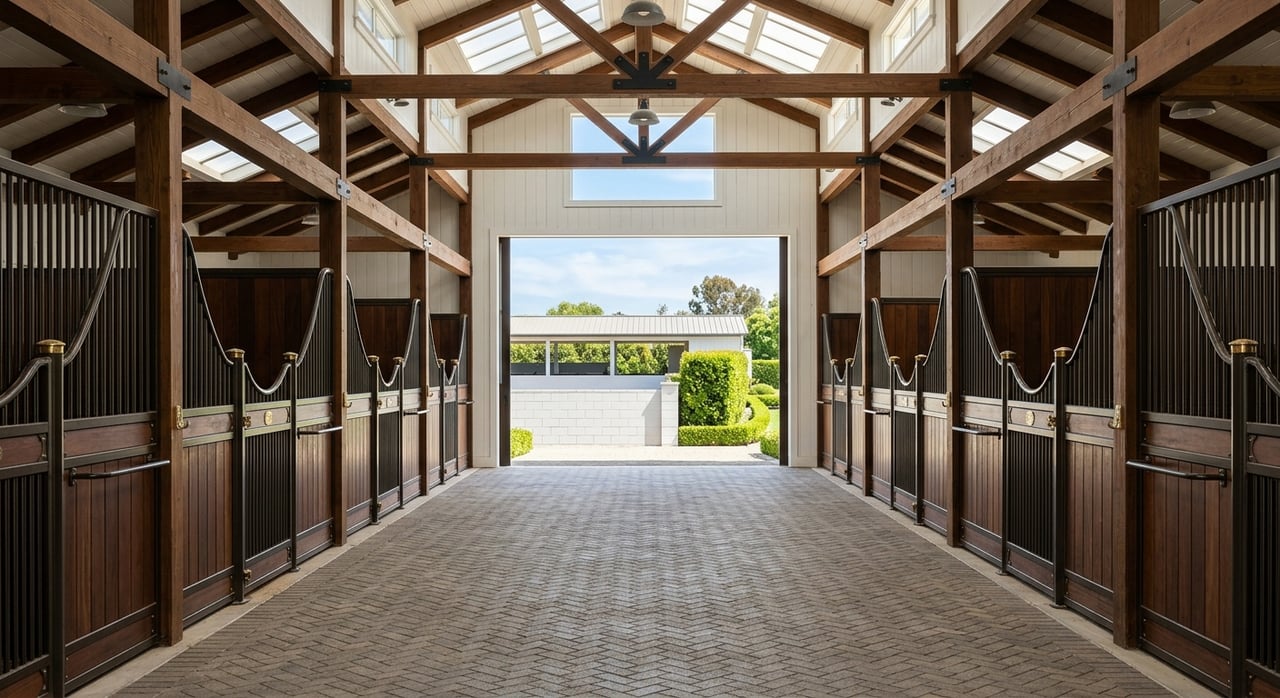
Buyers often start with a stall number, but stall count alone does not tell you whether a barn works. Stall dimensions, aisle widths, service spaces, and traffic flow all shape the daily experience for horses and people.
Research on stall design notes that dimensions should reflect the size of the horse and how much time the horse spends in the stall. Common versatile sizes include 10-by-12 and 12-by-12 when space allows. Wellington show materials also show that standards vary by event, with permanent stalls listed at 10-by-12 in some settings and 12-by-12 in others, while temporary stalls may be 10-by-10.
That variation matters. If you are housing larger horses, maintaining a season-long string, or supporting a discipline with specific stabling needs, the right layout may matter more than adding a few extra stalls.
What to Look for Inside the Barn
A usable barn supports more than horse housing. The best layouts make everyday work smoother, safer, and more efficient.
Look for these practical elements:
- Well-sized stalls that fit your horses and use pattern
- Wide aisles for grooming and veterinary or farrier work
- Convenient wash stalls and grooming areas
- Tack and feed storage with logical placement
- Laundry, locker, or office space if needed for your operation
- Clear separation between horse routes and service activity
A barn can be beautifully finished and still feel inefficient if the workflow is awkward. In Wellington, where training schedules can be demanding, that daily friction adds up quickly.
Test the Traffic Flow
One of the most overlooked parts of a farm is circulation. You need to know how horses, staff, service vehicles, deliveries, and visitors move through the property without conflict.
Barn-management guidance recommends keeping parking and non-horse traffic away from the main horse-housing areas. Biosecurity guidance also treats veterinarians, feed trucks, and vendors as controlled traffic. On a Wellington property, the practical question is simple: can the farrier, vet, and daily deliveries reach the barn without crossing the busiest horse paths?
This may seem like a small operational point, but it often separates a pleasant, efficient facility from one that feels congested every day. The stronger the circulation plan, the better the property tends to function under pressure.
Match the Property to Your Discipline
Not every Wellington equestrian property is built for the same use. A farm that works beautifully for one program may be a poor fit for another.
Hunter/Jumper Priorities
If you are focused on hunter/jumper or equitation, look closely at covered riding space, dependable footing, drainage, schooling rings, and easy circulation between the barn and arena. Wellington International’s recent improvements to footing, barns, roads, and movement around the venue reflect the demands of a fast-paced winter circuit.
Dressage Priorities
For dressage, consistency is often the main theme. A predictable rectangular arena, a covered option, and stabling close to the schooling area can make a meaningful difference in the horse’s routine and the rider’s schedule. Venue materials tied to Wellington’s dressage environment also underscore the importance of consistent footing across covered and outdoor options.
Polo and Larger Programs
For polo or larger-acreage operations, the priorities often shift toward grass fields, exercise tracks, multiple barns, and broader service circulation. In these cases, acreage and layout may matter just as much as the main ring. A property designed for a large operational program needs room for horses, equipment, staff movement, and field use to work together.
Understand the Range of Wellington Inventory
Wellington offers a wide spread of equestrian property types. Current market examples in official event materials include a 20-acre property with two barns totaling 20 stalls, a covered arena, lunging pen, paddocks, and a staff apartment; a 10-acre training facility with 26 stalls, a 250-by-250 arena, grass field, round pen, and staff cottage; and a 47-acre facility with 175 stalls, a polo field, stick-and-ball field, exercise track, maintenance garage, and staff houses.
That range is important because it shows there is no single formula for the right farm. Some buyers need a compact, show-oriented property near daily competition demands. Others need a larger operating compound built for scale, staffing, and long-term infrastructure.
Keep Zoning and Future Plans in Mind
If you are planning to improve or expand a property, you should investigate local requirements early. Wellington’s equestrian areas are regulated in part through the Equestrian Overlay Zoning District, which exists to help preserve the community’s equestrian character.
The Village also notes that the Equestrian Preserve Committee advises on topics including land use, rider safety, and flooding or drainage in the Equestrian Preserve Area. If you expect to adjust arena placement, drainage design, or barn expansion, those local considerations should be part of your due diligence from the beginning.
Focus on Fit, Not Just Features
The right arena and barn in Wellington are not necessarily the biggest or newest. They are the ones that match your horse list, your discipline, your schedule, and the way your operation actually runs.
That means looking beyond surface impressions. You want to understand how the footing performs, how water moves, how the barn functions, and how the whole property supports your daily workflow. In a market as specialized as Wellington, that level of evaluation helps you buy with more confidence.
If you are considering a Wellington equestrian property and want a technically informed, discreet perspective on barns, arenas, and overall farm functionality, schedule a confidential consultation with David Welles.
FAQs
What should you look for in a Wellington arena?
- Focus on the full arena system: footing, base, sub-base, drainage, and irrigation, along with how evenly the surface dries and rides after rain.
What stall size is common in Wellington barns?
- Wellington event materials show variation, with permanent stalls commonly listed at 10-by-12 or 12-by-12 and temporary stalls often listed at 10-by-10.
Why does drainage matter so much for Wellington horse properties?
- Florida’s high rainfall and high water table make drainage and water-management practices especially important for arena performance and overall farm function.
How do you choose between a covered arena and an outdoor arena in Wellington?
- The best choice depends on your discipline and daily schedule, but covered space can be especially valuable when you want more consistent training options in changing weather.
Does stall count tell you enough about a Wellington barn?
- No. Stall size, aisle width, wash-stall placement, storage, and traffic flow are all important when judging whether a barn truly works for your program.
What should you know about Wellington zoning before buying an equestrian property?
- If you plan to expand or reconfigure barns, arenas, or drainage, you should verify local land-development and permit requirements early, especially in areas governed by Wellington’s equestrian regulations.