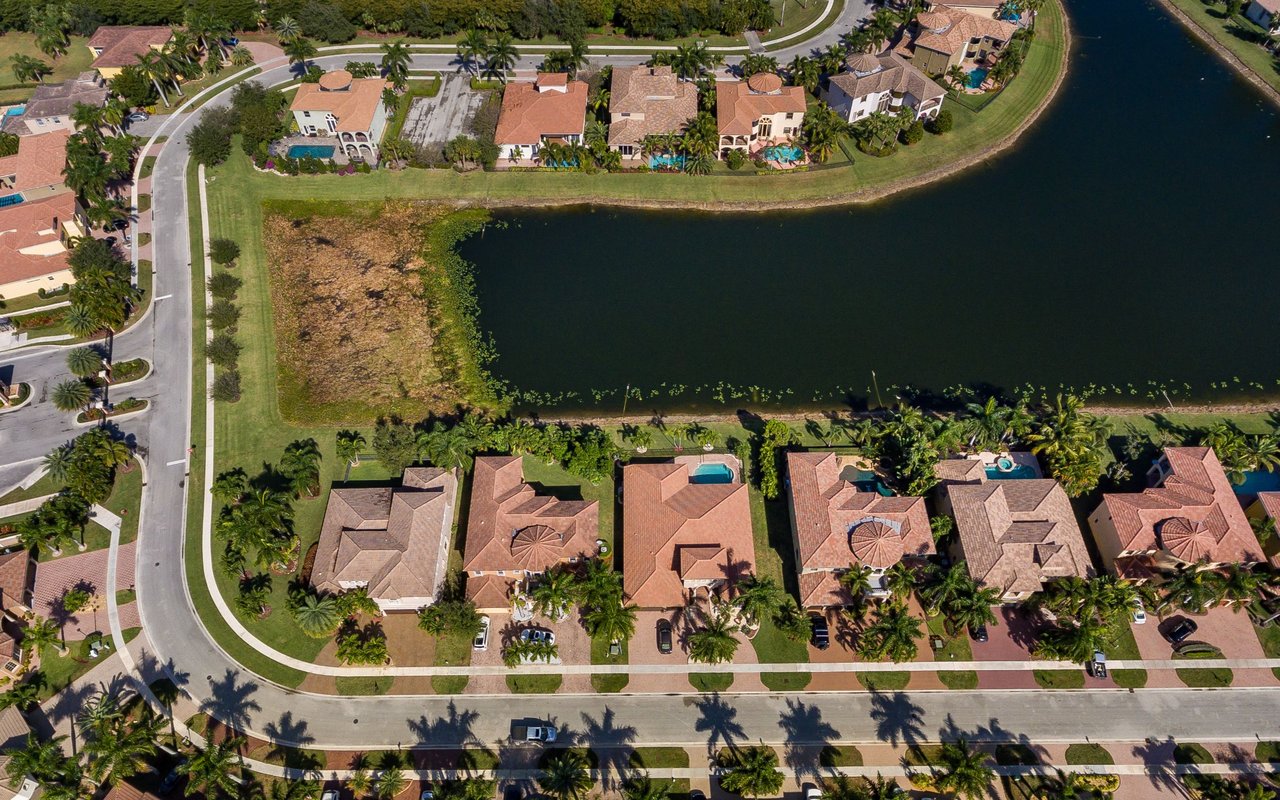
If you are getting ready to sell a farm in Loxahatchee Groves, you are not just listing land with a house and barn. You are presenting a working property in a market where buyers often look closely at drainage, turnout, access, and daily functionality. The good news is that the right prep can make your farm feel more credible, more manageable, and more valuable from the first showing. Let’s dive in.
Why Loxahatchee Groves buyers look deeper
Loxahatchee Groves has a distinct rural identity, not a generic suburban one. The town describes itself as a rural, government-light community of about 12 square miles with roughly 30 miles of canals that support drainage and irrigation, which shapes how farms are used and evaluated in day-to-day life.
That context matters when you list. In a town where Agricultural Residential zoning can allow uses such as agriculture, private stables, wholesale nursery, veterinary services, and agritourism, buyers often assess whether a property is truly set up to function, not just photograph well. You can see that local agricultural identity reflected in town materials about Loxahatchee Groves.
The broader equestrian market raises the bar too. Palm Beach County offers equestrian access at sites like Loxahatchee Groves Park, and the region is shaped by a serious horse economy tied to Wellington and the Winter Equestrian Festival. Wellington International reported a $536.2 million 2025 impact, which is one reason many buyers approach horse properties here with an operational mindset.
Start with water and drainage
If you do only one thing before listing, make sure the property shows that it handles water well. In South Florida, that single issue affects how buyers view paddocks, arenas, traffic lanes, manure areas, and even future maintenance costs.
Florida’s equine best management practices place heavy emphasis on runoff control in high-intensity use areas such as arenas, feeding areas, loafing areas, watering points, and shade structures. According to the FDACS equine operations BMP manual, these areas should manage runoff without untreated direct discharge off-site.
Before photos and showings, walk the farm like a buyer would. Look for muddy entrances, standing water near gates, rutted tractor paths, washed-out swales, and low spots near the barn or arena. If these areas look level, dry, and intentional, the property immediately reads as better managed.
Focus on high-traffic zones
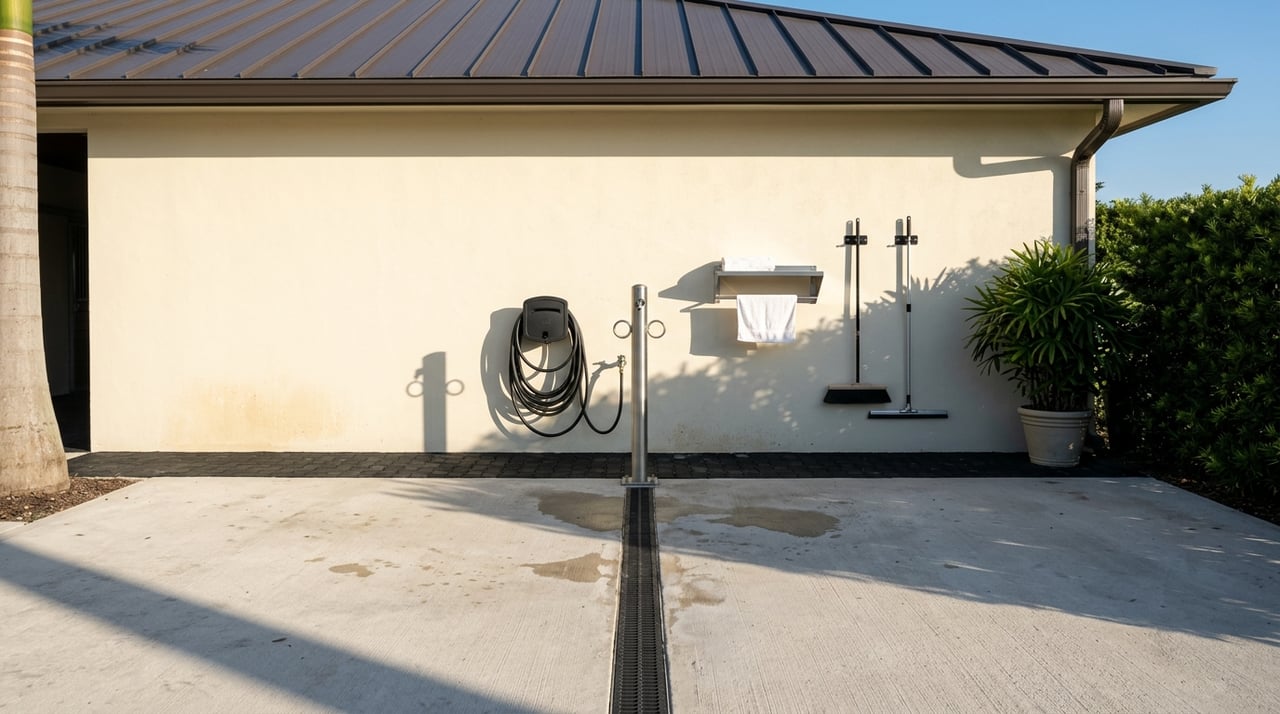
The areas closest to the barn usually matter most. Buyers notice trailer approaches, wash areas, arena edges, gate openings, and the paths horses and vehicles use every day.
You do not need to create a perfect farm overnight. You do need to show that runoff is directed appropriately, that traffic lanes are usable, and that the layout works under real conditions.
Improve paddocks and pasture presentation
Pasture condition is one of the clearest signals of daily management. Buyers can tell the difference between a property that has simply been mowed and one that has been maintained with function in mind.
UF/IFAS pasture guidance for horses notes that drainage is a major planning factor and that forage selection should match site conditions. The same guidance supports routine soil testing, rotational grazing, and cross-fencing as practical management tools.
That means your turnout areas should look dry where possible, logically divided, and sized in a way that makes sense. Cross-fenced paddocks can actually be a strength because they suggest flexibility and grazing management, not fragmentation.
Check carrying capacity signals
UF/IFAS gives a Florida rule of thumb that one mature 1,100-pound horse may need 2 to 2.5 acres of average bahiagrass pasture. If a farm appears overgrazed or overcrowded for its current setup, buyers may question whether the layout supports the number of horses they plan to keep.
Before listing, it helps to:
- Mow and edge paddock lines
- Repair or tighten visible fencing
- Replace broken boards or damaged electric fence components
- Remove obvious debris from turnout areas
- Address heavily churned gate areas if possible
- Make cross-fencing look intentional and usable
Clean up fencing, gates, and access
Safe, visible fencing is one of the first things equestrian buyers notice. They also notice the small details that hint at long-term maintenance, such as leaning posts, mismatched repairs, sticky latches, and sagging gates.
Your goal is not to make an older farm look brand new. Your goal is to show that the property has been cared for consistently.
Pay special attention to:
- Main entry gates
- Barn-adjacent paddock gates
- Gate hardware and latch function
- Perimeter fence lines visible from the drive
- Trailer turning areas and approach width
Access matters in this area. Palm Beach County’s equestrian facilities include trailer parking, which reflects how normal horse-trailer movement is in the local market. If your farm allows easy trailer entry, exit, and turnaround, make sure that advantage is obvious during showings.
Make the barn and arena feel work-ready
In Loxahatchee Groves, buyers often respond best to low-drama functionality. A clean, usable barn and a level, drained arena can do more for buyer confidence than decorative staging.
The same FDACS BMP guidance that addresses runoff also reinforces how important high-intensity use areas are to overall farm management. If those spaces look muddy, uneven, or improvised, buyers may assume there are larger operational issues behind the scenes.
What to address before photos
Prioritize the things a buyer will see in the first five minutes:
- Clear barn aisles and tack areas
- Sweep feed rooms and wash racks
- Remove unnecessary equipment from sightlines
- Level obvious footing irregularities around the arena edge
- Trim weeds along fencing and building lines
- Organize jump storage, tractor parking, and maintenance tools
If the property has enough room to move around the barn, park a trailer, and circulate without crowding the arena or paddocks, highlight that in the showing route and listing presentation.
Tidy the manure area immediately
Few things undermine a farm showing faster than a poorly handled manure area. Buyers know horses generate significant waste, so they often see this as a test of how the whole property is managed.
UF/IFAS guidance on horse manure management states that a 1,000-pound horse can produce 35 to 50 pounds of manure per day. That volume adds up quickly, which is why storage, hauling, composting, odor control, and runoff protection matter so much.
Local rules matter here too. Loxahatchee Groves states that dumping horse manure in town is prohibited, commercial haulers must be permitted, and manure deliveries for fertilizer purposes must follow local setback and timing rules.
What buyers want to see
A manure area does not need to disappear. It does need to feel orderly.
Aim for a setup that looks:
- Tidy and recently maintained
- Away from obvious wet or flood-prone areas when possible
- Screened or positioned to reduce visual impact
- Easy to service
- Consistent with documented hauling or composting practices
When the manure area feels controlled, the entire farm tends to feel more professional.
Build a clear records packet
A strong listing packet can reduce friction during showings and due diligence. Serious equestrian buyers often want proof of ongoing care, not just verbal assurances.
UF/IFAS disaster-preparedness guidance for horses recommends keeping current and accessible records such as vaccinations, Coggins, rabies documentation, health certificates, identification records, medication histories, and photos. It also recommends keeping paper backups in watertight protection.
For sellers, the most useful version of that advice is a simple binder or digital folder that helps answer common questions quickly.
Useful documents to organize
Consider gathering:
- Vet records and vaccination history
- Current Coggins and health-related paperwork
- Farrier notes or schedules
- Soil test results
- Fertilizer or liming records
- Fence repair invoices
- Arena maintenance receipts
- Irrigation or drainage service logs
- Manure hauling records
The FDACS BMP manual also includes implementation and record-keeping materials, which supports the idea that organized documentation reflects thoughtful stewardship.
Verify permits and land-use details
This is one of the most overlooked parts of pre-listing prep. If a buyer asks whether a barn, shed, or improvement was permitted, exempt, or reviewed under floodplain requirements, you want to have a clear answer or know what still needs verification.
According to Town of Loxahatchee Groves information on farm building exemptions, some nonresidential farm buildings on bona fide agricultural land may be exempt from the Florida Building Code, but floodplain development rules still apply. The town also requires right-of-way use permits for certain work involving grading, paving, earthwork, or drainage-related impacts in rights-of-way and swales.
If you use commercial manure hauling, related permit compliance should be easy to document as well. Even if every item is not fully packaged yet, identifying what is documented and what still needs confirmation can make the sale process much smoother.
Plan the showing route strategically
The best showing route helps buyers experience the farm in the right order. Start with the strongest functional features and avoid making buyers work to understand the layout.
In many cases, that means leading with:
- Easy entry and trailer access
- Main barn and service areas
- Arena or primary work space
- Paddocks and turnout divisions
- Manure and utility areas
- Open acreage and future-use flexibility
This approach keeps the presentation grounded in how the property actually operates. For Loxahatchee Groves farms, that often resonates more than purely lifestyle-first staging.
Anticipate the questions buyers will ask
Most serious buyers are trying to reduce uncertainty. If you can answer key operational questions clearly, your property tends to show better and negotiate better.
Expect questions like:
- How does the property handle heavy rain?
- Are there areas that stay wet or flood?
- How is manure stored, composted, or hauled?
- What maintenance records are available?
- How many horses can the current pasture layout realistically support?
- Which structures were permitted, exempt, or otherwise reviewed?
When you prepare for these questions ahead of time, you shift the conversation from doubt to confidence.
A better listing starts before photography
The most compelling Loxahatchee Groves farm listings usually do not rely on luxury language alone. They show buyers a property that feels safe, dry, documented, and operationally coherent.
That is where thoughtful pre-listing preparation can pay off. When fencing is secure, turnout is logical, manure handling is tidy, and records are organized, the farm tells a stronger story before a buyer even asks the first question.
If you are preparing to sell an equestrian property or acreage in Palm Beach County, David Welles offers discreet, technically informed guidance tailored to how serious buyers evaluate these properties.
FAQs
What should you fix first before listing a Loxahatchee Groves farm?
- Start with drainage, muddy traffic areas, paddock condition, fencing, and manure handling because these are some of the first operational details buyers notice.
What records should you gather before showing a horse property in Loxahatchee Groves?
- Organize vet records, vaccination and Coggins paperwork, farrier notes, soil tests, fence and arena maintenance receipts, drainage logs, and manure hauling records if available.
Why do buyers care so much about drainage on a Palm Beach County farm?
- Drainage affects paddocks, arenas, access lanes, waste handling, and overall usability, so it often shapes a buyer’s view of both maintenance quality and future costs.
Does cross-fencing help or hurt a Loxahatchee Groves farm listing?
- In many cases it helps because cross-fencing can show rotational grazing, turnout flexibility, and more intentional pasture management.
What permit questions come up when selling a farm in Loxahatchee Groves?
- Buyers often ask whether barns, sheds, earthwork, drainage-related work, or manure hauling arrangements were permitted, exempt, or otherwise documented under local rules.