If you are weighing a move to Wellington for show season or year-round riding, you have options. Each farm area offers a different balance of ring access, turnout, privacy, and logistics. When you understand those tradeoffs, you can focus your search and avoid costly surprises. This guide breaks down the main equestrian pockets, what to verify before you buy, and how to match a property to the way you ride. Let’s dive in.
Why location matters in Wellington
Wellington centers around premier venues that shape daily routines. The Palm Beach International Equestrian Center hosts the Winter Equestrian Festival, with nearby dressage facilities drawing top trainers and riders. The International Polo Club Palm Beach anchors polo season and creates its own travel and turnout needs. Being close to the venues and clustered equine services can save time, but it often means smaller lots and different facility styles.
The four equestrian pockets
Show-adjacent properties
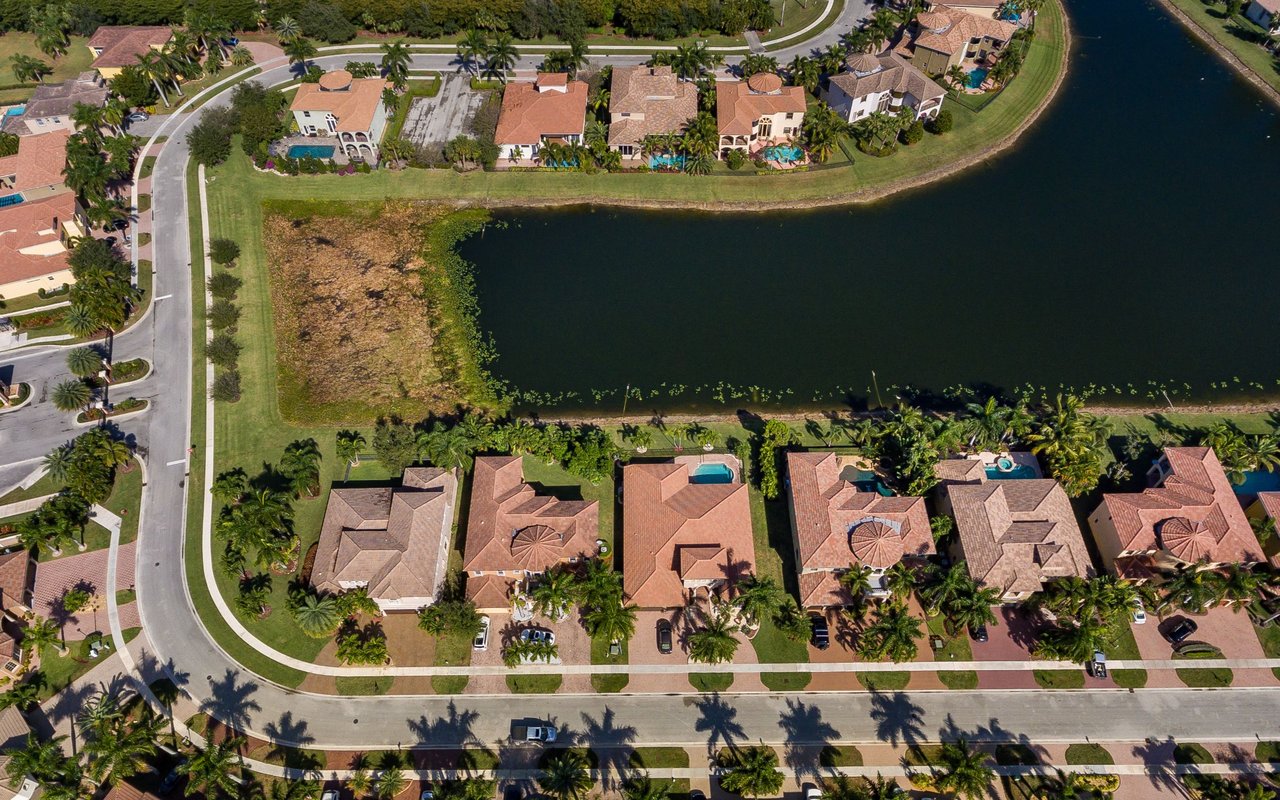
If you want near-daily ring access, show-adjacent areas are designed for efficiency. Lots are typically smaller than estate parcels, often under 2 acres, with compact 6–12 stall barns and smart service layouts. Turnout is usually in smaller paddocks or sacrifice areas. Many properties have direct or short bridle-path connections into the showgrounds or a short trailer drive. You also benefit from nearby full-care boarding, trainers, transporters, and veterinary specialists. This pocket suits riders and trainers who value minimal trailer time.
Estate equestrian neighborhoods
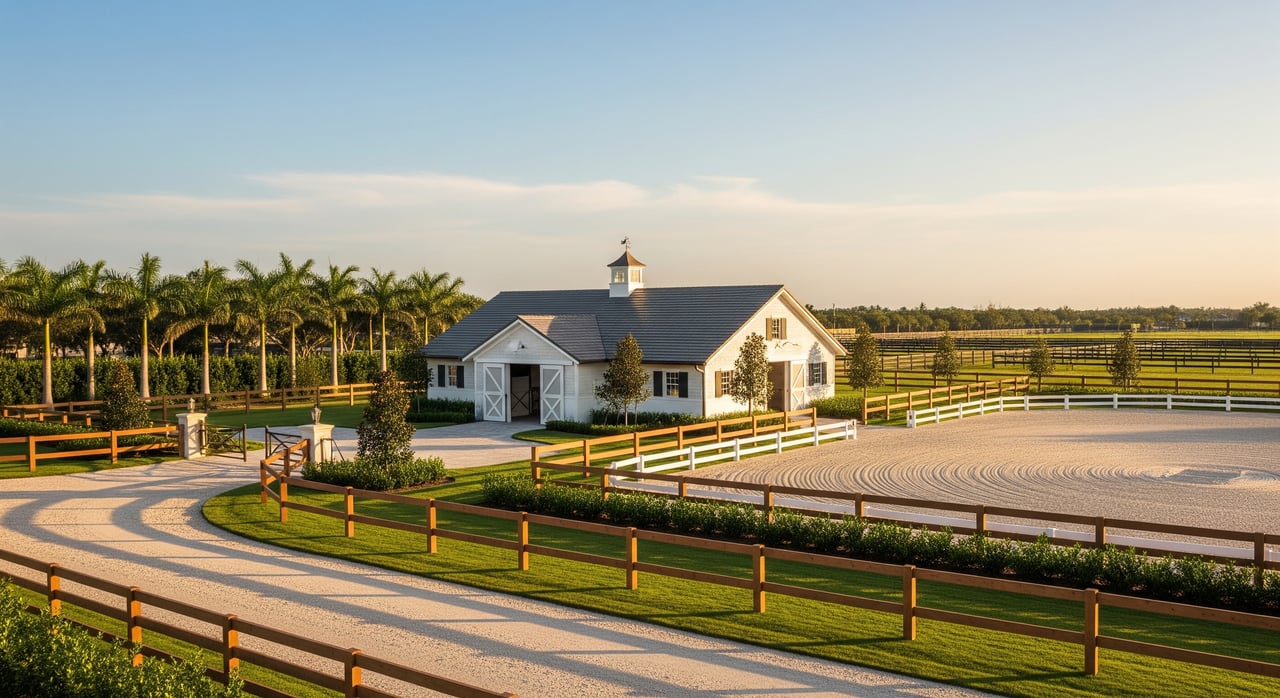
Gated preserves and custom farm communities offer space and privacy. Lots often range from 1 to 5 or more acres, and barns are frequently custom builds with larger stall counts, well-defined grooming and wash areas, tack and feed rooms, and sometimes staff apartments. Expect multiple paddocks and the flexibility to set up rotational turnout. Some communities include private bridle paths or easements that connect to broader trail systems, sometimes toward the showgrounds or polo fields. HOA rules vary, so verify access and use early. This pocket fits owners who want more turnkey on-site training and true pasture management.
Acreage and rural-style properties
At the edges of Wellington and into areas like Loxahatchee and The Acreage, you find larger tracts, commonly 5 to 20 or more acres. Facilities tend to be working-farm oriented, with larger barns, breeding or foaling stalls, and big outdoor arenas. True pasture turnout is achievable, with room for cross-fencing and separate groups. You will likely trailer to PBIEC or the polo fields, so commute times and trailer logistics matter. Services are available but not always close, which suits buyers who prioritize space, breeding programs, and privacy over immediate proximity.
Polo-area neighborhoods
Near the International Polo Club, properties are often set up for fast-paced routines. Lot sizes vary, but layouts emphasize multiple paddocks, simple tie and wash areas, and efficient trailer flows. Some neighborhoods offer bridle or riding routes to practice fields, although many owners still rely on trailers. Local services often specialize in polo needs. This pocket works for polo players, managers of strings, or anyone who wants immediate access to the polo scene.
What to weigh when comparing farms
Zoning and HOA rules
- Confirm land use, animal density, and stable permits with the Village of Wellington and Palm Beach County.
- Review HOA covenants if applicable. Communities can set stricter limits on the number of horses, commercial training activity, signage, and hay storage.
Barn operations and waste
- Ask about manure storage and removal. Many areas require prompt off-site hauling.
- Check septic and wastewater capacity for barn bathrooms, showers, and wash racks.
Drainage and flood risk
- South Florida’s high water table means engineered drainage and raised arena bases are common. Verify what is in place.
- Review the property’s FEMA flood zone designation and ask for any past flood claims.
Utilities and access
- Water sources vary. Confirm municipal water vs well, irrigation availability, and any seasonal watering restrictions.
- Ensure electrical service supports arena lighting, solariums, and equipment.
- Evaluate road widths, gates, and easements for large trailer access.
Soil and pasture quality
- Ask about soil type, grading, and drainage improvements.
- Confirm arena base and footing type, plus any maintenance schedule.
Commuting and connectivity
- If you plan to ride to the showgrounds, verify legal, continuous bridle-path easements door to door.
- If trailering, plan for parking, turnarounds, and event traffic during peak season.
Security and staffing
- Confirm rules for staff apartments and on-site housing. Some areas require specific permits.
- Evaluate tack rooms, storage, and overall site security.
Environmental and wildlife
- Parts of Palm Beach County include protected species and sensitive areas. Land clearing and grading may require county or state permits.
Cost tradeoffs by pocket
- Expect a proximity premium near PBIEC and in gated estate preserves.
- Larger acreage farther out often trades lower price per acre for more time and logistics costs.
- Budget for potential upgrades like drainage, arena builds, septic improvements, or power service increases.
Due diligence checklist for buyers
- Zoning and horse-per-acre limits; any restrictions on boarding or on-site training.
- HOA documents and maps of any bridle paths or riding easements.
- Copies of permits for barns, arenas, and improvements. Ask about any past code issues.
- Manure management plan and current hauling contracts.
- FEMA flood zone and any past flood claims; seller disclosures on drainage and storms.
- Utility details: well vs municipal water, irrigation, septic, and electrical ampacity.
- Pasture and fencing: soil tests, irrigation, drainage upgrades, and fence condition.
- Access logistics: trailer turning radii, gate widths, distance and time to PBIEC and the International Polo Club under typical traffic.
- Availability of trainers, boarding support, veterinarians, and farriers who will travel to the property.
Match your riding goals to the right pocket
- For daily ring time with minimal hauling, focus on show-adjacent properties.
- If you want privacy, larger barns, and real turnout, explore estate equestrian neighborhoods.
- If you run breeding or need expansive pasture and flexible layouts, consider acreage and rural-style areas.
- If polo is your priority, look near the fields and plan for rapid horse rotation and trailer logistics.
When you align property type with your training schedule, staffing plan, and facility needs, your short list becomes clear.
Next steps and local resources
Before you make offers, line up the right experts and ask targeted questions. Village of Wellington staff can clarify municipal rules and any trail or bridle-path resources. Palm Beach County Building and Zoning and Environmental Resources Management can confirm permitting and environmental constraints. For competition schedules and participant policies, contact the Palm Beach International Equestrian Center and the International Polo Club Palm Beach. Keep the Palm Beach Equine Clinic and other local hospitals on your service list for emergency and specialty care.
If you want a tailored search with technical guidance on barns, arenas, drainage, and operational layouts, connect with a local advisor who lives in this market every season.
Ready to evaluate properties with a clear plan? Schedule a confidential consultation with David Welles for a targeted, technically informed approach.
FAQs
What are the main differences among Wellington farm areas?
- Show-adjacent areas offer quick ring access on smaller lots, estates provide privacy and turnout, acreage areas deliver space but require trailering, and polo pockets prioritize field access and rapid routines.
How close can I ride to PBIEC without trailering?
- Some neighborhoods have legal bridle-path connections, but access varies by community and easement. Verify a continuous, permitted route before you rely on daily riding access.
What should I check about drainage and flood risk?
- Confirm engineered drainage and raised arena bases, review the property’s FEMA flood zone, and ask sellers for any past flood claims or storm-related issues.
Are there limits on the number of horses I can keep?
- Yes. The Village of Wellington, Palm Beach County, and individual HOAs set rules based on zoning and lot size. Confirm animal density and any commercial-use limits early.
What barn features matter most for show-season operations?
- Efficient stall layout, safe wash and grooming areas, secure tack storage, reliable utilities, and turnout suited to your horses’ routine are key for smooth day-to-day operations.
How do costs compare between show-adjacent and acreage areas?
- Properties near PBIEC and in gated estates often cost more per acre. Farther-out acreage usually costs less per acre but adds time and hauling expenses for shows and services.