What does a normal day on a Wellington equestrian farm actually feel like? If you picture only show rings and grand prix nights, you are seeing just one part of the story. Daily life here is also shaped by early starts, weather-aware routines, trail access, and a village layout built around horses. If you are considering an equestrian property in Wellington, this guide will help you imagine the rhythm of the day and the pace of the season. Let’s dive in.
Wellington Is Built Around Horses
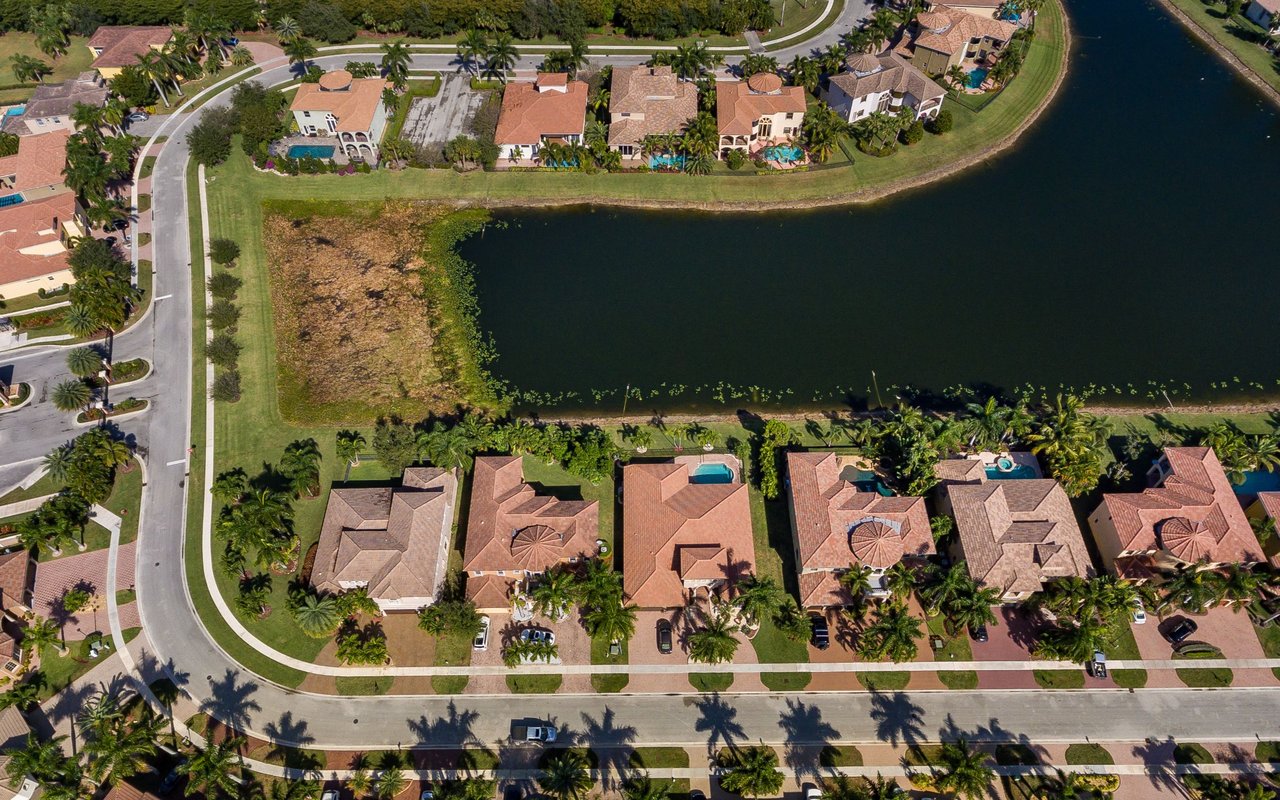
Wellington’s equestrian identity is not limited to a single venue. The Village of Wellington describes the Equestrian Preserve Area as roughly 9,000 acres across the western and southern parts of the village, with Wellington International, the National Polo Center, equestrian farms, facilities, and a broad trail network all part of that landscape.
That matters when you think about daily life. In Wellington, horse movement is woven into the community itself. Official village materials describe the trail system at different scales, but the key point is consistent: horses are part of the physical layout, not tucked away in an isolated pocket.
At peak season, Wellington says the village has nearly 13,000 horses alongside a population of about 61,794 residents. That kind of concentration shapes everything from traffic patterns to morning routines to the overall feel of the area during the winter months.
Mornings Start Early
On most Wellington farms, the day naturally starts early. West Palm Beach climate normals show average highs around 74.7°F in January and near 90°F in July and August, with rainfall rising sharply from June through September.
Because of that climate pattern, the most comfortable working hours often come first thing in the morning. A typical start may include feed, stall checks, water, turnout, grooming, and the first ride or school session before the heat builds.
Even if every farm runs a little differently, the local weather strongly influences the pace. Wellington encourages a routine that feels practical and efficient, with the most active horse work often front-loaded into the cooler part of the day.
Midday Is About Management
By midday, the rhythm usually shifts. Once the heat rises, the center of gravity on a farm often moves from riding to property management and horse care logistics.
This can be the part of the day for tack cleaning, braiding, arena dragging, and appointments with service providers such as veterinarians or farriers. It is also when deliveries and movement of hay, shavings, or trailers may fit more naturally into the schedule.
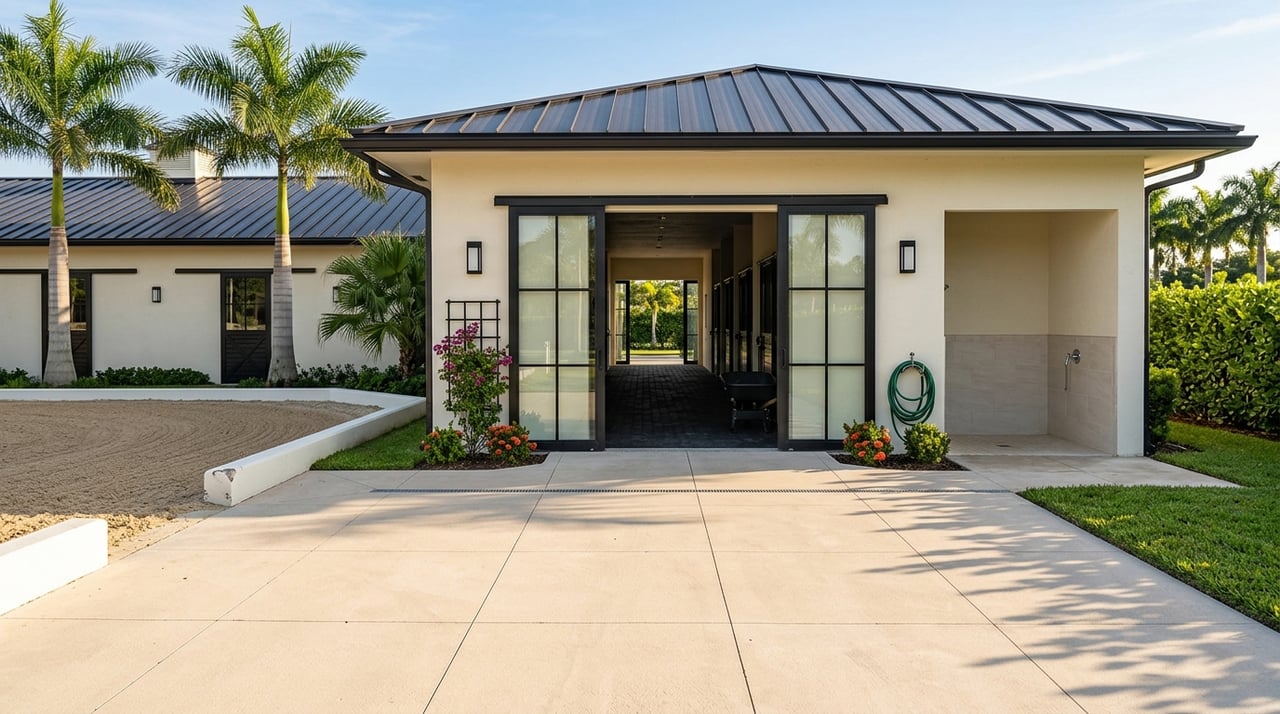
For buyers exploring Wellington farms, this is an important lifestyle detail. An equestrian property here is not just a home with a barn. It is often a working environment where layout, access, drainage, and operational flow shape your everyday experience.
Evenings Return to the Barn
As temperatures ease, the day often swings back toward the horses. Evening routines may include cooling out, re-feeding, checking water, blanketing if needed, and setting up for the next morning.
This creates a daily pattern that feels steady and hands-on. Even on beautiful estate properties, the barn often sets the clock.
That does not mean life is limited to the farm. Wellington also maintains parks, facilities, an amphitheater, and a community center with classes and programs, so an evening can move from horse care to a broader local routine without leaving the village.
Winter Season Changes the Tempo
Wellington’s legislative materials describe the equestrian season as running from November through April. During that stretch, the village takes on a faster, more concentrated energy.
Wellington International describes the Winter Equestrian Festival as the largest and longest-running hunter/jumper horse show in the world, established in 1977. It also notes that Equestrian Village hosts the Adequan Global Dressage Festival from January through March, with hunter/jumper competition from April through October.
For farm owners, that seasonal calendar is not just background information. It affects how the day feels, how the roads feel, and how tightly scheduled the community becomes.
Show Weeks Feel Like a Sports Campus
During winter circuit weeks, Wellington International says its grounds welcome riders, trainers, support staff, families, and horses from all 50 states and more than 34 countries. That global participation helps explain why Wellington can feel more like a high-performance campus than a quiet residential area during peak show season.
General admission during the day is open to visitors from Wednesday through Sunday during the Winter Equestrian Festival schedule. In practical terms, that means nearby areas can experience increased activity tied to competition days, visitor flow, and the social visibility that comes with major events.
If you are drawn to Wellington because of its world-class equestrian scene, this energy may be exactly what you want. If you prefer a quieter setting, it is useful to understand how much the winter circuit can shape the atmosphere around certain farms and corridors.
Off-Season Brings Breathing Room
After the main winter circuit eases, Wellington often settles into a different pace. The off-season can feel less compressed and more private, especially on larger acreage properties.
Village materials highlight ongoing planning for trailheads, markings, landscaping, trail footing, and trail crossings. Wellington’s equestrian and preserve pages also repeatedly emphasize drainage, flooding, and land preservation, which points to the behind-the-scenes work that supports the lifestyle year-round.
For many farms, the quieter months are the natural time to refresh footing, address fencing or irrigation, revisit turnout routines, and handle property maintenance. The same farm that feels highly scheduled in February may feel more like a private country estate in late spring or summer.
Trails Shape Everyday Living
One of Wellington’s most distinctive lifestyle features is its trail network. The village says local trails are used for equestrian activity as well as hiking, biking, and running, and that maintenance includes trailheads, markings, landscaping, footing, and crossings.
That changes the feel of everyday life. On the right property, a ride can begin not with trailering out, but with stepping onto paths that function almost like neighborhood routes for horses.
For many buyers, this is part of what makes Wellington unique. Access is not only about the barn and ring on your own parcel. It is also about how seamlessly your property connects to the larger equestrian fabric of the village.
Drainage Is Part of Daily Function
In Wellington, drainage is more than a technical detail. It is part of the infrastructure that supports equestrian life.
The Wellington Environmental Preserve is a 410-acre rainwater storage area built with the South Florida Water Management District. The village says runoff is routed through the preserve before entering the Everglades, and Wellington’s equestrian materials also emphasize drainage improvements and flood prevention.
For equestrian property owners, this matters in practical ways. Arena usability, paddock conditions, turnout schedules, and day-to-day movement around the farm are all affected by how well land and water systems perform, especially in the wetter summer months.
Palm Beach County Expands Your Options
Life on a Wellington farm also connects you to a wider equestrian network across Palm Beach County. County Environmental Resources Management allows equestrian use on designated trails in Cypress Creek North, Loxahatchee Slough, Royal Palm Beach Pines, and along the Jeaga Wildway multiuse trails.
These county riding areas may include shade shelters, mounting blocks, hitching posts, and pitcher-pump wells. County rules also require horses to remain under control, riders to carry proof of a negative Coggins test, and helmets for riders under 16.
Palm Beach County Parks & Recreation also operates equestrian facilities at Jim Brandon Equestrian Center in West Palm Beach and Jupiter Farms Park Equestrian Facility in Jupiter. For Wellington residents, that means the local horse economy extends beyond the village and offers additional places to ride, school, or trailer out.
What Buyers Should Picture
If you are imagining daily life on a Wellington equestrian farm, picture a routine that is equal parts lifestyle and logistics. You are not only buying acreage or a luxury home. You are stepping into a climate-aware, schedule-driven, horse-centered environment that changes with the season.
In winter, the pace can feel international, competitive, and highly organized. In the off-season, the same setting may feel calmer, more spacious, and more estate-like.
That is why equestrian real estate in Wellington deserves a specialist lens. Barn layout, arena function, trail connection, drainage, and access all influence how a property lives from one day to the next, not just how it looks in photos.
Whether you are looking for a show-ready compound, an operational farm, or a private acreage estate with equestrian potential, a clear understanding of the daily rhythm can help you choose well. To discuss Wellington equestrian properties with a discreet, technically informed advisor, schedule a confidential consultation with David Welles.
FAQs
What is daily life like on a Wellington equestrian farm?
- Daily life on a Wellington equestrian farm often starts early with feed, turnout, grooming, and riding before the heat builds, shifts to maintenance and logistics at midday, and returns to horse care in the evening.
What is the Wellington equestrian season?
- Wellington’s legislative materials say the equestrian season generally runs from November through April, when the village sees the highest concentration of horse activity and competition traffic.
How important are trails in Wellington equestrian life?
- Trails are a major part of the Wellington equestrian lifestyle because the village’s network supports horse movement as part of the broader community layout, not just within a single facility.
What happens on Wellington farms during the off-season?
- The off-season often brings a quieter pace and more focus on maintenance such as footing, fencing, irrigation, and general property upkeep.
Why does drainage matter on a Wellington horse property?
- Drainage matters because Wellington’s climate includes a wet summer pattern, and property performance can affect arena conditions, paddocks, turnout, and everyday farm operations.
Are there riding options beyond Wellington for Palm Beach County equestrians?
- Yes, Palm Beach County offers designated equestrian trails and dedicated facilities, giving Wellington residents additional places to ride, school, or trailer out.