If you are deciding between a home on land in Loxahatchee and a house in a planned community, you are really choosing how you want to live day to day. For some buyers, extra space, privacy, and flexibility matter most. For others, predictable upkeep and a more structured neighborhood feel are the priority. This guide will help you compare both lifestyles in practical terms so you can choose the setting that fits you best. Let’s dive in.
Why Loxahatchee Acreage Feels Different
In western Palm Beach County, acreage living is not just a byproduct of older development. Local planning documents show that the area is intentionally shaped to preserve a rural lifestyle, large-lot homesites, agricultural-residential use, and equestrian access.
That matters because it helps explain why Loxahatchee feels different from a typical subdivision. The goal is not higher density or a uniform streetscape. The goal is to maintain open space, support land-based uses, and protect the area's rural character.
Rural character is part of the plan
The Acreage Community Plan highlights large-lot single-family patterns, agricultural compatibility, and equestrian trail development. Nearby Loxahatchee Groves reinforces a similar identity with planning and landscape guidance centered on open land, drainage, and rural-equestrian conditions.
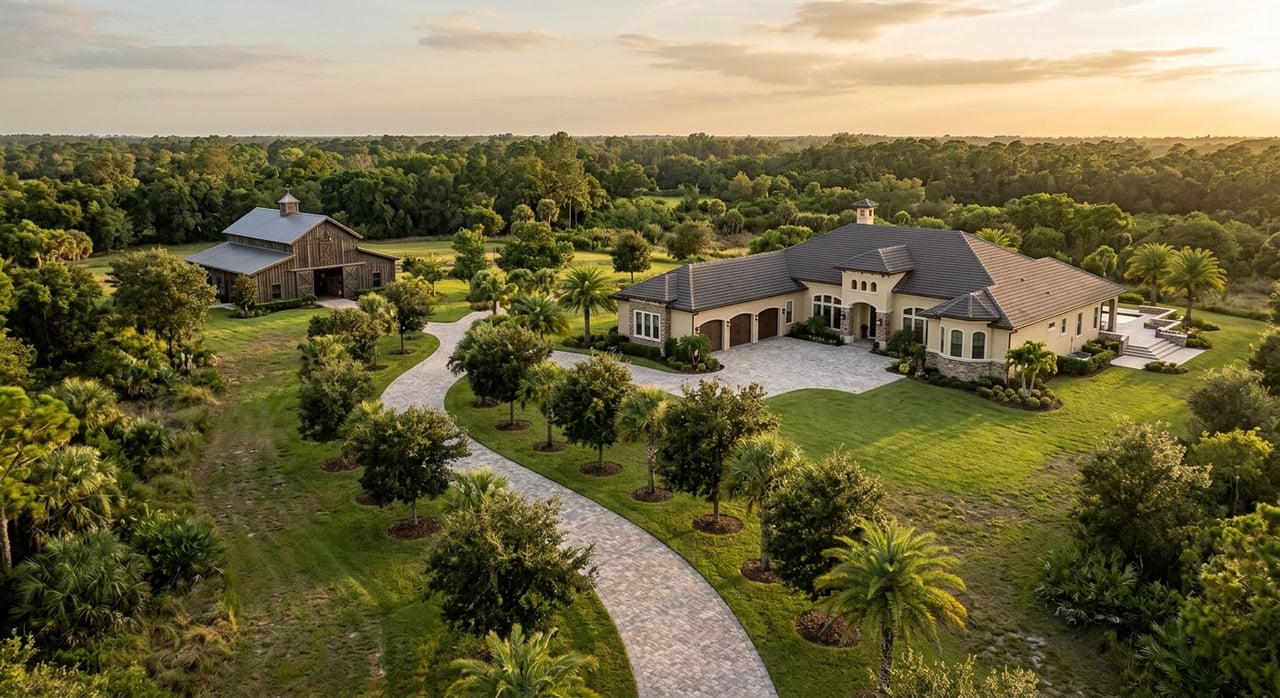
In practical terms, you may notice wider spacing between homes, more room for paddocks or equipment, and roads that feel less suburban. That overall setting is one of the biggest reasons buyers are drawn to this part of Palm Beach County.
What Life on Acreage Usually Offers
Acreage living often appeals to buyers who want more control over how they use their property. If you want room for horses, gardens, storage, workshops, or simply more distance from neighbors, land can offer options that are harder to find in a planned community.
The local planning language supports that kind of flexibility. County and town materials reference equestrian uses, gardening, farming, animal husbandry, nature-oriented activities, and other land-based hobbies as part of the area's character.
More privacy and open space
One of the biggest advantages of acreage is breathing room. Homes are generally set farther apart, and the lower-density pattern can create a quieter, more private daily experience.
Local rural-vista materials also describe fewer cars and less traffic as part of the area's identity. If your ideal home life includes open views, longer driveways, and space that functions as more than a yard, that can be a meaningful difference.
More flexibility in land use
For buyers with equestrian goals or outdoor projects in mind, acreage can be especially appealing. Large parcels may create room for pasture, paddocks, driveways, gardens, open areas, and accessory improvements, depending on the specific property and its zoning.
That does not mean every parcel works for every use. Site-specific details still matter, including setbacks, drainage, lot layout, and local rules. Still, the planning framework in this area is generally more supportive of land use flexibility than a conventional planned community.
What a Planned Community Usually Offers
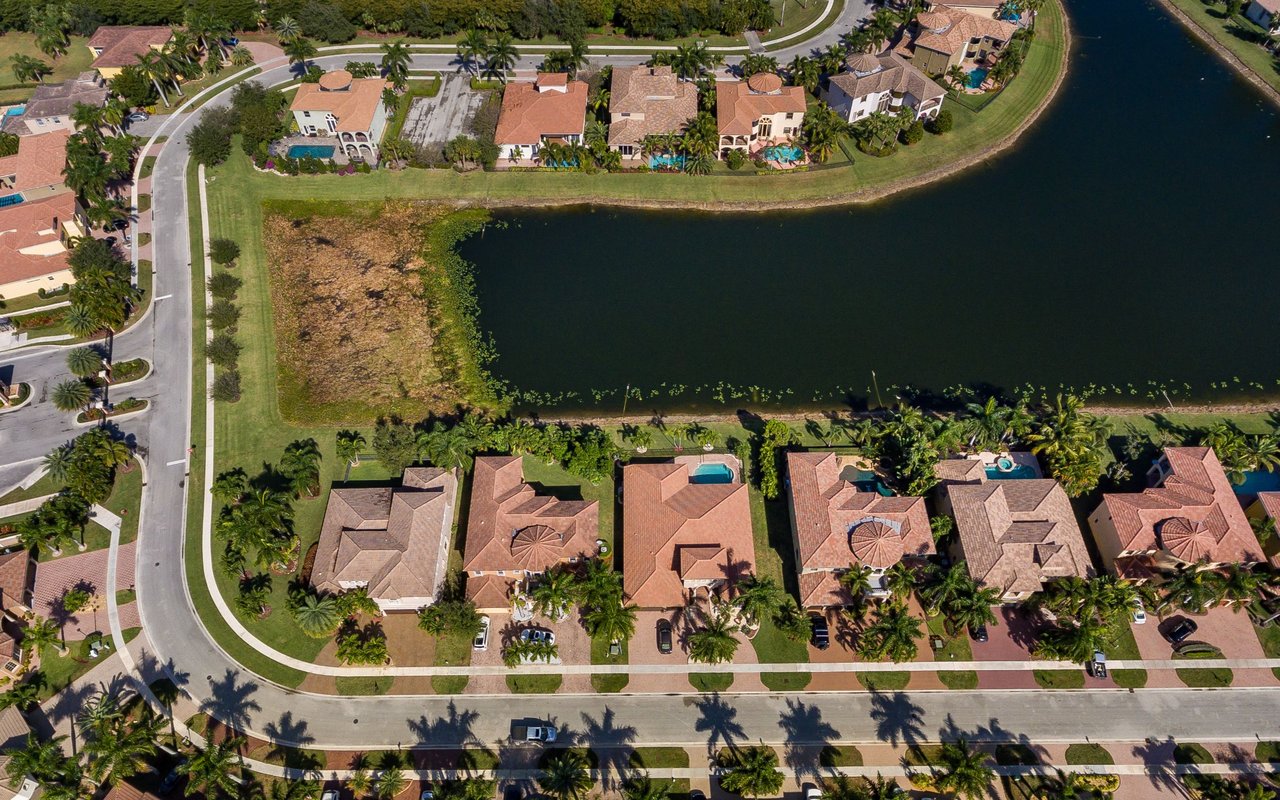
A planned community often creates a more standardized ownership experience. In Florida, these communities are commonly governed by recorded covenants and homeowners associations, which may involve mandatory membership, assessments, common areas, budgets, and architectural controls.
For many buyers, that structure is a benefit. It can bring more predictability to neighborhood appearance, shared-area maintenance, and the overall rhythm of ownership.
More structure and oversight
If you prefer a setting where exterior decisions are more guided, a planned community may feel easier to navigate. Association governance can shape everything from property upkeep expectations to design review and common-area maintenance.
That can reduce some of the decision-making that comes with a larger rural property. It can also mean dues, rules, and a more managed environment are part of the tradeoff.
A more uniform daily experience
Planned communities often feel more consistent from one property to the next. Homes are typically closer together, the roads and shared spaces are more standardized, and there is usually a clearer framework for what owners are expected to maintain versus what the association handles.
If you value predictability and want fewer exterior management responsibilities, that can be appealing. If you want more autonomy, acreage may be the better fit.
The Real Tradeoff: Freedom Versus Management
The choice between acreage and a planned community is rarely about one being better. It is usually about how much hands-on responsibility you want and how much freedom matters to you.
Acreage tends to offer more self-direction. Planned communities tend to offer more shared structure. The right answer depends on how you want your property to function and how involved you want to be in maintaining it.
Acreage means more owner responsibility
On larger parcels, maintenance is usually a bigger part of everyday ownership. Local guidance in Loxahatchee Groves notes the importance of drainage, soil health, weed and pest control, storm readiness, and general landscape management on large lots.
That can also mean more attention to fencing, grading, tree care, pasture upkeep, irrigation, and post-storm cleanup. If you enjoy managing land or want a property with working functionality, that may feel worthwhile. If not, the workload can come as a surprise.
Planned communities shift some duties
In a planned community, some exterior burden may shift to the association, especially in shared spaces or common areas. HOA governance can help organize maintenance, budgeting, and enforcement of community standards.
That convenience often comes with less flexibility. You may have fewer choices about design changes, exterior features, or how the property is used.
Utilities and Infrastructure Matter More on Acreage
When buyers compare lifestyles, they often focus on privacy and appearance first. In Loxahatchee, the more important question may be how the property actually works.
In western Palm Beach County, private wells and septic systems are common on many rural properties. The Florida Department of Health in Palm Beach County states that many new private residences and small businesses in the west county use private drinking water wells and septic tanks.
Wells and septic are often part of the equation
If a property uses a private well, the owner is responsible for making sure the water is safe. State health guidance recommends testing private wells for bacteria and nitrate at least once per year.
Septic and well plans are also reviewed and permitted before a building permit or certificate of occupancy can be issued. For buyers, this means utility setup, maintenance history, and future replacement or service needs should be part of your due diligence.
Drainage should be a top priority
Drainage is not a minor issue on acreage in this area. County planning documents and town landscape guidance both treat drainage, stormwater management, and lot grading as essential parts of ownership.
Before you move forward on a rural property, it is smart to understand the lot's elevation, drainage pattern, and maintenance history. Those details can have a major impact on usability, upkeep, and storm preparation.
Roads and Access May Feel Different
Acreage living can come with a road network that feels more rural than suburban. The local planning framework supports two-lane local streets and a rural road character, and nearby Loxahatchee Groves materials specifically describe one- and two-lane dirt roads as part of the area's identity.
That may be exactly what some buyers want. For others, it is an adjustment. If road surface, commuting ease, or access for trailers and equipment matters to you, it is worth evaluating each property in person.
Which Lifestyle Fits You Best?
Your best choice depends on how you picture daily life. The setting that feels ideal on paper may not be the one that best matches your routine, priorities, and comfort level with property management.
Here is a simple way to think about it.
Acreage may fit you if you want:
- More privacy and open space
- Room for horses, gardens, equipment, or outdoor projects
- Greater control over how you use your land
- A more rural setting with lower density and less traffic
- A property that functions beyond the house itself
A planned community may fit you if you want:
- More predictable upkeep responsibilities
- A more standardized neighborhood environment
- Shared maintenance of common areas
- Clear architectural and ownership rules
- Less hands-on exterior management
Why Local Guidance Matters in Loxahatchee
In some markets, the difference between acreage and subdivision living can feel mostly cosmetic. In Loxahatchee and the surrounding western Palm Beach County area, the difference is more fundamental because local planning policy still treats rural character as something worth preserving.
That means your decision is not just about lot size. It is about whether you want a self-directed property in a rural framework or a more structured homeownership experience in a planned setting.
For buyers considering equestrian use, operational land needs, or long-term property functionality, those distinctions deserve careful review. A property can look appealing online and still function very differently once you evaluate access, drainage, utility systems, and land use potential.
If you are weighing acreage in Loxahatchee against a planned community, a clear, property-level review can make the choice much easier. David Welles offers discreet, informed guidance for buyers seeking acreage, equestrian property, and country-estate opportunities across Palm Beach County.
FAQs
What is the main difference between acreage living in Loxahatchee and a planned community?
- Acreage living usually offers more land, privacy, and flexibility, while a planned community usually offers more structure, shared maintenance, and a more uniform ownership experience.
Are dirt roads common around Loxahatchee acreage properties?
- In some rural areas, yes. Local planning and rural-vista materials describe one- and two-lane dirt roads as part of the area's character.
Are private wells and septic systems common on rural properties in western Palm Beach County?
- Often, yes. The Florida Department of Health in Palm Beach County says many private residences and small businesses in western Palm Beach County use private wells and septic tanks.
Can acreage property in Loxahatchee work for horses or agricultural use?
- Local planning documents support equestrian and agricultural compatibility, but what is allowed depends on the specific parcel, zoning, setbacks, and site conditions.
Why is drainage so important on acreage in Loxahatchee?
- Local county and town guidance treat drainage, stormwater management, and lot grading as essential because they affect usability, maintenance, and storm readiness.
Is a planned community easier to maintain than acreage?
- For many owners, yes. A planned community may shift some maintenance responsibilities to the association, but it also comes with dues, rules, and oversight.