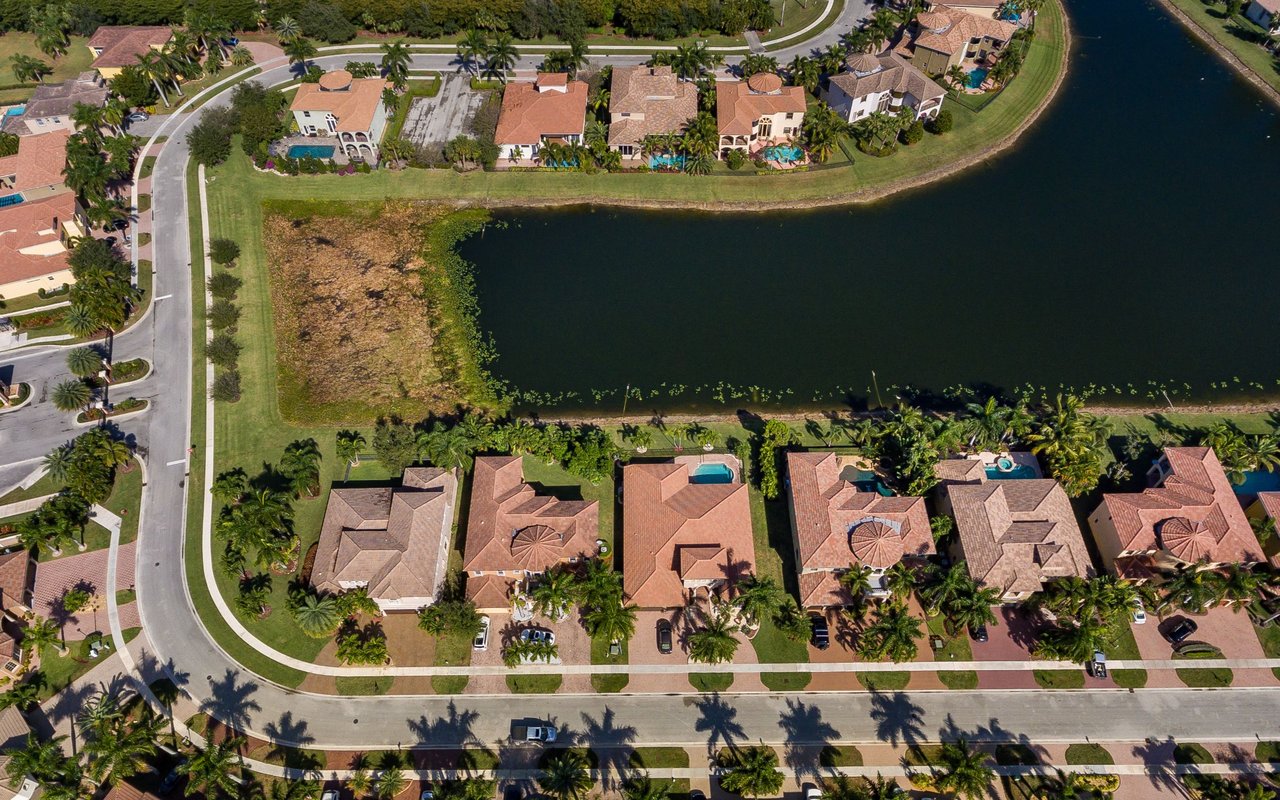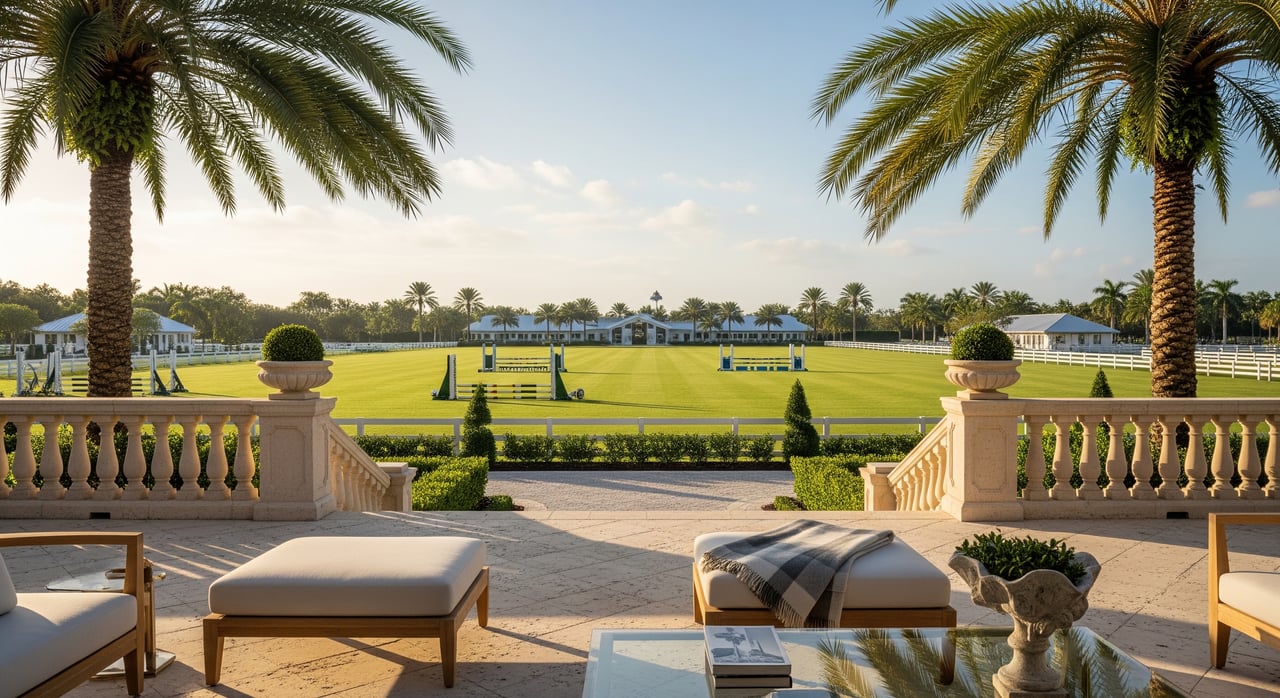
What does a perfect winter day in Wellington look like? If you ride, it often starts before sunrise and ends after the last hay and water checks. If you are here with family, your week blends barn time with school, errands, and dinner with friends. This guide walks you through the daily rhythm of the season, where to stay, how to plan, and what to expect on show days. Let’s dive in.
Why Wellington shines in winter
Wellington becomes the center of the sport during the cooler months. The Winter Equestrian Festival at the Palm Beach International Equestrian Center brings a multi-week schedule of hunter, jumper, and FEI classes. You find riders of all levels, busy warm-up rings, and a strong vendor and clinic scene that makes the grounds a daily hub.
Just next door, the winter polo season adds another layer of competition and social activity. The result is a complete ecosystem that supports performance barns, seasonal families, and visitors alike. Most services scale up around these events, so the energy stays high through early spring.
Season timing and rhythm
The winter season runs through the drier, milder months, which suits training and competition. WEF’s consecutive weeks create a predictable cadence for barns and support staff. Outside the peak weeks, the equestrian scene remains active, just with lighter crowds.
You will notice schedules tighten during core weeks. Stalls and rentals go fast, and on-site services book out. Planning early helps you keep your routine smooth and stress low.
Daily life for riders and families
Barn routines that work
Most barns start before sunrise to take advantage of cool mornings. Horses may flat early, then hack or school through the day, with ring bookings tied to assigned class times. Turnout varies by facility, with many using paddocks or sand lots to protect legs.
Blankets are lighter than in northern climates. You might use one for early rides, for sensitive horses, or after bathing. Evenings focus on grain, hay, water, and stall care, with therapy or icing after hard classes.
Show-day logistics
Showgrounds maintain separate schooling and competition rings with set schooling hours. Arrival times, schooling policies, and ring access are posted by organizers. On-site you will find braiders, laundry, feed vendors, farriers, and veterinarians to keep the day moving.
Experienced grooms are essential during busy weeks. Many barns schedule multiple grooms per string when competing. A clear tack and timing plan reduces stress for horses and people.
Key services you will rely on
Wellington hosts major equine hospitals and mobile vets skilled in sport-horse care. Farriers and equine dentists are plentiful, but peak weeks require advance booking. Rehabilitation, conditioning therapies, and shipping support round out the local network.
Where to stay: seasonal housing
Seasonal families tend to choose from a few housing types:
- Short-term furnished rentals: houses, condos, and apartments available on weekly or monthly terms.
- Long-term rentals or purchases: for those building a year-round base; equestrian properties with acreage and private barns form a premium segment.
- On-site or nearby staff housing: some larger barns and facilities offer accommodations aimed at trainers and grooms.
Proximity to PBIEC often tops the list. You will also want to confirm barn access routes, trailer and vehicle parking, and space for support staff. For peak weeks, booking months ahead is common.
Family life beyond the ring
Schools and childcare
Palm Beach County Public Schools serve the local area, and some seasonal families use private schools, tutoring, or distance learning. Youth riding clinics, pony camps, and after-school programs operate through equestrian centers and recreational providers. Plan early so school schedules align with your show plan.
Dining, shopping, fitness
In town you will find local restaurants and retail, including the Mall at Wellington Green. West Palm Beach offers a larger range of dining, arts, and nightlife. Many riders add gym, yoga, Pilates, or spin sessions to support strength and balance.
Transportation and travel
Palm Beach International Airport is the closest commercial airport for everyday travel. Miami and Fort Lauderdale offer more flight options and international connections. Daily life is easiest with a personal vehicle, and trailer parking matters if you ship your own horses.
Health care access
Medical services and hospitals sit a short drive away in West Palm Beach and neighboring cities. Many families mark the nearest urgent care and emergency rooms on day one. It is a simple step that adds peace of mind.
Budgeting for the season
Costs vary by provider, week, and goals, so a custom budget works best. Consider these categories when planning:
- Horse-related: stabling, trainer and entry fees, shipping, veterinary and farrier care, grooming and braiding, therapy or rehab.
- Human-related: rent, utilities and parking, groceries, dining, fitness, childcare, and local sales tax.
- Lifestyle: polo and gala tickets, vendor shopping, and gear upgrades.
A line-by-line plan for each horse and each rider helps you avoid surprises. Many families track show-week and non-show-week spending separately.
Weather, health, and paperwork
Climate and gear
Winter weather is mild and drier than summer, which means more comfortable daytime riding. Mornings and evenings can feel cool, so keep light layers and stable sheets on hand. Sudden showers can pop up, but mud management is easier than during summer.
Biosecurity and paperwork
Show organizers and barns follow standard equine health requirements. Expect to provide a current Coggins, vaccination records, and the proper health certificates for interstate or international travel. In concentrated seasons, managers emphasize movement and isolation rules if risks rise.
Insurance essentials
Performance riders and owners often carry mortality and major medical for horses, along with personal liability and loss-of-use options. Event organizers may require proof of coverage for certain classes. Seasonal visitors also review personal health and travel insurance, especially for international stays.
Smart planning tips
- Book housing and stabling early, especially for peak WEF weeks.
- Confirm ring schedules, schooling rules, and arrival times before each show day.
- Secure grooms and specialty services well in advance.
- Build a simple budget for horses and household, then review weekly.
- Save key contacts in your phone: vet, farrier, shipper, urgent care, and nearest hospital.
- Map driving routes with trailer-friendly parking and backup options.
How Welles Properties helps
If you are making Wellington your seasonal base or seeking a show-ready property, you need accurate facility details and a calm, strategic approach. Welles Properties combines hands-on knowledge of barns, arenas, irrigation, paddocks, and staff housing with a refined, confidential process. The result is advisory that respects your operation and your time.
For buyers, you get clarity on arena and footing specifications, stall and paddock layouts, and bridle path access that fits the way you ride. For sellers, you get precise positioning, global reach through Sotheby’s channels, and careful presentation designed for serious equestrian buyers. If you need select leasing or to assess development potential on acreage, the team can advise with discretion.
Ready to plan your winter in Wellington with a property strategy that matches your goals? Connect with David Welles for a confidential consultation.
FAQs
When does Wellington’s winter season run?
- The season aligns with cooler, drier months and centers around the multi-week Winter Equestrian Festival and overlapping polo events.
How early should I book housing near PBIEC?
- Reserve months ahead for peak WEF weeks since show stalls, rentals, and on-site services fill quickly.
What airports are best for Wellington trips?
- Palm Beach International is closest for daily travel, while Miami and Fort Lauderdale offer broader domestic and international options.
Is Wellington suitable for families during WEF?
- Yes, with schools, parks, shopping, and youth programs available, though schedules often revolve around barn and show times.
Do I need a car or trailer in Wellington?
- A personal vehicle is the practical baseline for errands and barn logistics, with trailer access helpful if you ship your own horses.