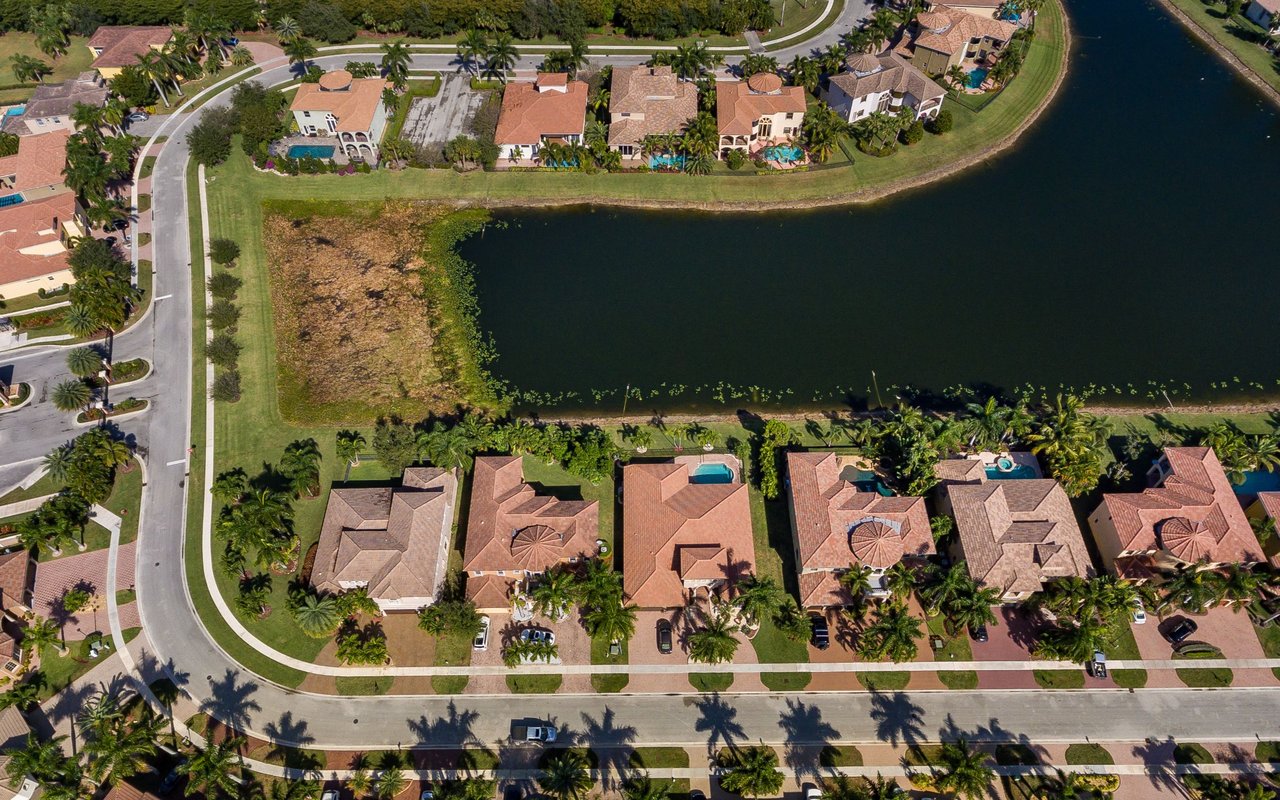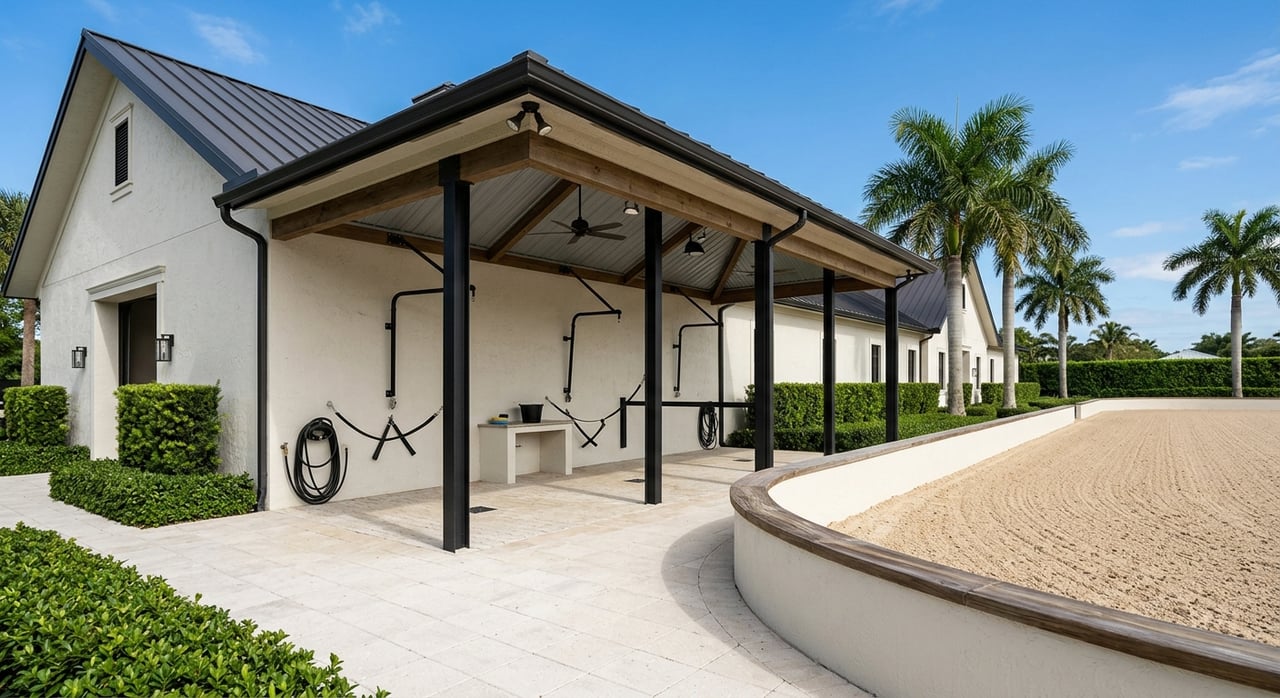
If you are considering Loxahatchee Groves as a base for horse training or boarding, the appeal is easy to see. You want land, functionality, and access to Palm Beach County’s equestrian orbit, but you also need clarity on what a property can actually support. This guide will help you understand how Loxahatchee Groves fits that role, what operational details matter most, and where buyers should look closely before making a move. Let’s dive in.
Why Loxahatchee Groves Fits
Loxahatchee Groves is not an accidental equestrian pocket. The town presents itself as a large-lot, rural-equestrian community, and most lots are described as 5 acres or more. That matters if you are looking for space to support paddocks, drainage, turnout, storage, and the day-to-day needs of a working horse property.
The local landscape also supports the equestrian identity. The town’s guidance ties land management to pasture care, storm readiness, and preserving the area’s rural character, while Palm Beach County’s Loxahatchee Groves park includes an equestrian trail. In practical terms, you are looking at a place where horse use is part of the local pattern, not an unusual exception.
Regional demand also plays a role. The Palm Beach County Sports Commission describes Wellington International’s Winter Equestrian Festival as a major annual event with significant economic and tourism impact. For buyers and operators, that helps explain why nearby western Palm Beach County locations, including Loxahatchee Groves, can be worth considering as training, layover, or boarding bases.
Understand the Use Before You Buy
One of the biggest mistakes buyers make is assuming that a horse property can automatically operate as a boarding or training business. In Loxahatchee Groves, the answer depends on how the property is used and how that use fits town and county rules. The difference between private horse keeping, limited owner-operated activity, and a public-facing equine business is important.
The town’s residential enterprise framework can allow limited horse-related activity on properties of 5 acres or more. That can include horse boarding, riding instruction, grooming and care instruction, training, breeding, and guided or unguided horseback riding. But there are specific limits, and those limits are not minor details.
Under that framework, the use must stay within accessory buildings, the owner must occupy the property, and proof of homestead exemption must be provided within one year. The operation also cannot host clients or customers on the premises and may use no more than two outside employees or contractors. If your business model depends on regular client traffic, lessons on site, or a broader staffing structure, you may be looking beyond residential-enterprise limits.
Residential Enterprise vs Commercial Stable
Palm Beach County draws another important line through its animal code. A commercial stable exists when more than four equine not owned by the owner or operator are kept, or when horses are kept for boarding, pasturing, breeding, riding, training, riding lessons, resale, or rearing and those activities are advertised to the public. The county distinguishes that from a private stable, which is limited to up to four outside-owned equine.
For you as a buyer, this distinction affects due diligence from day one. A quiet owner-occupied setup with limited activity may fit one path, while a more visible training or boarding operation may trigger a very different review and compliance picture. The property itself may look suitable, but the intended use is what determines whether it functions as a viable base.
This is why parcel-specific verification matters. The town recommends confirming whether the proposed use fits zoning before you buy or sign a lease, and its zoning confirmation letter process can provide written verification. Just keep in mind that the town also says a zoning confirmation letter does not itself approve a business.
What an Operational Property Needs
A training or boarding base has to work as an operations site, not just read well in a listing. Barn layout, trailer access, drainage, manure handling, paddock cleaning, water, fencing, and quarantine planning all affect whether a property will function well under real use. In South Florida, weather and water management are part of the operational equation.
Palm Beach County’s commercial-stable standards offer a useful benchmark for what a more structured operation requires. The county requires daily observation of animals and records that include a current negative Coggins test within the previous 12 months, along with a medical release on file. These are not cosmetic details. They show how closely operations are expected to align with health and management standards.
Manure management is another practical filter. The county requires manure to be kept at least 75 feet from the nearest animal stall and not create runoff into canals or retention ponds. Stalls and paddocks must also be cleaned daily as needed, and barns, feed rooms, aisles, drainage, water, fencing, and quarantine areas must meet health and safety expectations.
The town’s own landscape guidance supports the same priorities. Drainage, irrigation, pasture care, storm preparation, and safe fencing and equipment storage all matter in Loxahatchee Groves. When you evaluate a property, the question is not only whether it is beautiful. The real question is whether the land and improvements can support horses reliably through wet season demands and everyday wear.
Site Planning Matters More Than You Think
For buyers who are comparing properties, layout often separates a workable base from a frustrating one. You may have enough acreage on paper, but if trailer circulation is awkward, parking is tight, or drainage is poorly handled, operations can become inefficient very quickly. A well-located equestrian property needs to function under pressure, especially during busier parts of the season.
The town’s business-startup guidance points to site selection factors such as proximity to customers, similar business clusters, parking needs, zoning, and build-out requirements. Town zoning materials also direct applicants to roadway, equestrian, and greenway planning documents, along with access and visual guidelines. That means driveway design, trailer turns, parking layout, and compatibility with the surrounding rural setting should all be part of your review.
In practice, that often means looking beyond the house and main barn first. You want to study access points, service areas, manure-bin placement, paddock flow, and whether there is room for safe loading and unloading. On an equestrian property, operational logic drives long-term value.
Staff Housing and Support Features
If your plans include live-in help or a caretaker component, one code detail is especially useful. The town allows groom’s quarters on parcels where there are equestrian uses and a stable with six or more stalls. That does not mean every property is automatically ready for that setup, but it does mean staff accommodation can be part of the conversation on the right parcel.
For performance or seasonal equestrian users, this can be a meaningful factor. Staffing support is often tied to consistency, horse care, and travel logistics. If staff housing is part of your operational plan, it should be reviewed early rather than treated as an afterthought.
Permits and Approvals to Check Early
If you are serious about using a property as a training or boarding base, permit history and approval pathways deserve attention before closing. The town’s permit menu includes a specific Stable and Manure Bin application package, along with separate permit applications for fences or walls, driveways, and new commercial buildings. That is a strong signal that equine-support structures are expected to go through formal review.
The town also recommends contacting its Business Tax Receipt division before buying or leasing to confirm whether the use fits the code. If the property requires Palm Beach County Business Tax Receipt approval, the owner must first obtain a Town of Loxahatchee Groves Business Tax Receipt. These steps are easy to overlook when a property appears turnkey at first glance.
If you are evaluating an existing facility, ask targeted questions. Were the barn, manure area, fencing, and driveway improvements properly reviewed? If buildings were added over time, do the approvals match the current use? These are the kinds of details that can affect both timing and future flexibility.
Agricultural Classification Is Not Automatic
Some buyers assume that having horses on acreage automatically makes a property an agricultural operation. Florida law takes a narrower view. Land qualifies only when it is used primarily for bona fide agricultural purposes, and bona fide agriculture means good-faith commercial agricultural use of the land.
Palm Beach County’s agricultural review process makes that distinction more concrete. Review materials specifically reference horse boarding, training, breeding, and sales as uses that may be documented, and the county looks for an agricultural justification statement, site plan or survey, acreage details, and expected annual income from the venture. In other words, commercial intent and documentation matter.
This can also affect how buyers think about improvements. Some nonresidential farm buildings may be exempt from county building permits when they qualify, but other reviews can still apply, including floodplain rules and certain state or local permits. That is another reason not to treat an equestrian property as simple just because it is rural.
Health and Recordkeeping Requirements
Horse health documentation is another area where operations need discipline. The Florida Department of Agriculture and Consumer Services says horses in public or private assemblies, including boarding stables and pastures, need a negative EIA or Coggins test dated within 12 months. The boarding stable or person in charge must also keep records for two years.
For a buyer, this is less about paperwork alone and more about operational readiness. A property intended for boarding or layover should have systems that support recordkeeping, daily observation, and orderly care. When those systems are absent, the property may still be attractive, but it may not be ready to perform as a reliable base without additional work.
How to Evaluate a Loxahatchee Groves Property
When you tour or underwrite a property, focus on the details that affect function, not just appearance. The right parcel should support your intended use, circulation pattern, staffing model, and level of public visibility. In this segment, technical fit often matters as much as location.
A useful review checklist includes:
- Confirm parcel-specific zoning and whether the intended use fits town rules
- Determine whether the plan aligns more closely with residential enterprise, private stable, or commercial stable use
- Review acreage, barn count, stall count, paddock layout, and drainage performance
- Check trailer access, driveway configuration, parking, and service circulation
- Verify permit history for barns, fencing, manure facilities, and other improvements
- Assess whether staff accommodation is needed and whether the property can support it
- Review operating systems for manure handling, horse records, and daily care protocols
- Clarify whether an agricultural review may be relevant for the intended operation
Why Advisory Depth Matters
In Loxahatchee Groves, two properties with similar acreage can offer very different operational value. One may work smoothly as a discreet owner-occupied equestrian base, while another may better suit a more structured boarding or training model. The difference often comes down to code fit, layout, approvals, and facility detail.
That is why specialized guidance matters in this niche. If you are buying with horses, staff, trailers, or a revenue model in mind, you need more than a surface-level property search. You need advice that weighs land use, equestrian infrastructure, and long-term flexibility together.
If you are considering a purchase, sale, or lease strategy for an equestrian property in western Palm Beach County, David Welles offers discreet, technically informed guidance tailored to the realities of horse property ownership.
FAQs
Can a Loxahatchee Groves hobby farm start boarding horses as a business?
- Not automatically. The answer depends on whether the use fits the town’s residential-enterprise limits or crosses into a commercial stable-type operation under county rules.
Can clients visit a residential-enterprise horse property in Loxahatchee Groves?
- No. Under the town’s residential-enterprise framework, clients or customers may not come onto the premises.
What should you verify first for a Loxahatchee Groves boarding or training property?
- Start with parcel-specific zoning confirmation. The town says use approval depends on the actual site, and a zoning confirmation letter is not the same as business approval.
Does a Loxahatchee Groves horse property need permits for stable improvements?
- Often, yes. The town has a Stable and Manure Bin application package, along with permit applications for items such as fences, walls, driveways, and new commercial buildings.
Can horse properties in Palm Beach County qualify for agricultural treatment?
- Possibly, but it is not automatic. The land must be used primarily for bona fide agricultural purposes, and the county review looks at documentation such as site plans, acreage details, and expected annual income.
What records are important for a Palm Beach County boarding operation?
- Boarding operations must maintain records that include a current negative Coggins test within the previous 12 months, and FDACS says the boarding stable or person in charge must keep records for two years.