If your winters revolve around the ring, Palm Beach gives you the polished social base while Wellington powers the sport. You want easy mornings at the barn, efficient moves for your horses and staff, and elegant evenings by the ocean. In this guide, you’ll see how seasonal equestrians pair an island estate with a Wellington training base, what property features matter, and how to plan travel, permits, and timelines. Let’s dive in.
Why the two-base model works
Palm Beach and Wellington function as one lifestyle. You entertain and recharge on the island, then execute training and showing in Wellington. Brokers and local reporting describe this as a standard pattern for high-performance owners who want both the island’s social infrastructure and proximity to world-class competition. You’ll often hear it called a two-base model. Local market commentary outlines this approach.
Palm Beach: social and ocean access
Palm Beach island concentrates luxury residences, club life, refined dining, and direct marine access. Worth Avenue, Royal Poinciana Plaza, and historic hotels set the tone for entertaining clients, family, and visiting riders. The Town of Palm Beach also manages local permitting and zoning, which you will review if you plan any renovations or new construction. The island is not where large equestrian facilities live; those are based off-island. Learn more about local governance on the Town of Palm Beach site.
Wellington: training and competition hub
Wellington is the operational center. Full-service barns, trainers, and the showgrounds concentrate here, anchored by the Palm Beach International Equestrian Center and the wider Wellington equestrian preserve. The village is set up for daily training, shipping, vet support, and seasonal staffing. Explore the competition center at Wellington International.
When the season happens
WEF anchors the calendar
The Winter Equestrian Festival runs over multiple weeks and drives the peak season’s rhythm in Wellington. Weekly Grand Prix nights and championship weeks pull in thousands of competitors, horses, and support teams. Typical winter activity spans late fall through March or April, depending on the year. See the seasonal overview on The Palm Beaches event page for WEF.
Yachting overlaps and social
The tail of equestrian season overlaps with Palm Beach’s yachting calendar, including the Palm Beach International Boat Show in late March. That overlap is one reason many owners keep their social base on the island while horses stay at the farm.
A day in season
- Early morning: You or your team head to the farm for feeding, grooming, warmups, and ring rides. Training blocks align with class entries at the showgrounds.
- Midday: Vet checks, farrier visits, and schooling sets. You plan shipments or turnout based on upcoming classes.
- Afternoon: Competition windows and client meetings. Staff coordinate tack, laundry, and prep for the next day.
- Evening: You return to Palm Beach for a waterfront dinner, a quiet night in, or a client event.
The commute rhythm matters. Driving between West Palm Beach and Wellington generally runs about 20 to 40 minutes depending on traffic and exact origin, which is manageable for show days. See typical drive distances and times from Travelmath’s route calculator.
Property profiles and features that matter
On the Wellington farm
Your horses and staff need a purpose-built base. Show-focused barns in Wellington commonly include:
- Stalls: 12-by-12 feet is a standard for adult riding horses; 14-by-14 or larger for bigger breeds or mares with foals. See design norms in this stall standards overview.
- Arenas: Outdoor sand rings with professional sport footing; some properties include covered or indoor options for weather flexibility.
- Paddocks: Multiple grass or all-weather paddocks sized for safe turnout rotations.
- Support: Tack and feed rooms, wash bays, laundry and blanket storage, farrier and vet areas, plus a dedicated storage bay for jumps and equipment.
- Conditioning: Hot walker or mechanical walker; some barns add therapy or solarium spaces.
- Staff housing: Grooms’ quarters or apartments near the barn for on-site coverage.
- Infrastructure: Proper drainage and irrigation for arenas and paddocks, plus organized manure storage and haul-off.
For a practical amenities checklist tailored to show barns, review this equestrian stable amenities guide.
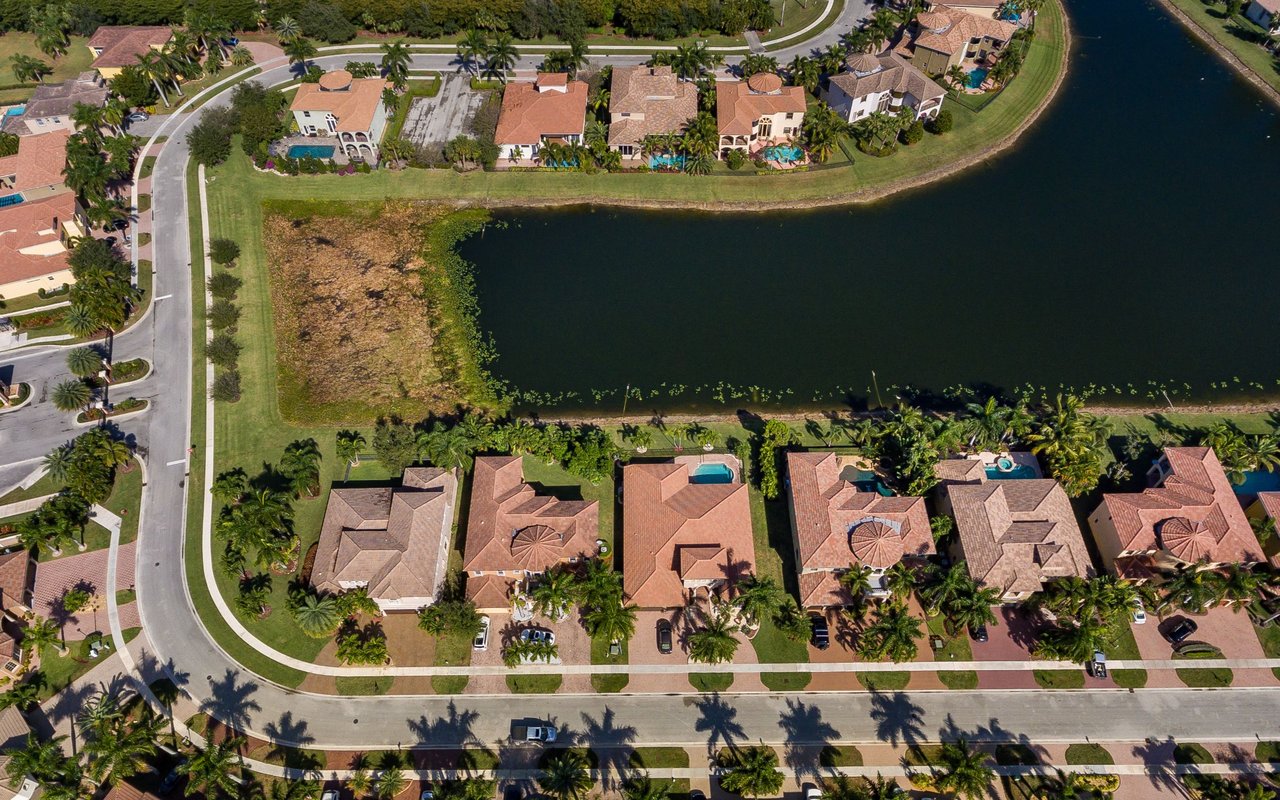
Lot size varies. In Wellington, small farms around 1 to 5 acres are common, with highly sought parcels between 2 and 10 acres. Parcels within hacking distance to the showgrounds often command notable premiums. Local commentary on value drivers appears in this market overview.
On the Palm Beach estate
Island estates emphasize privacy, water access, and entertaining. You will find formal living areas for events, guest suites, and multi-vehicle storage, often near premier retail and dining. Large on-island barns and training complexes are rare because the operational equestrian infrastructure sits in Wellington. For a feel of the island’s lifestyle core, explore Worth Avenue’s destination site.
Getting there: air, road, and marina access
- Air: Palm Beach International Airport is the principal gateway for seasonal owners and visiting teams. PBI offers commercial service, full general aviation, private FBO support, and customs services for international arrivals. Its proximity to both the island and Wellington simplifies scheduling. Learn more at PBI’s official site.
- Road: Most owners manage daily farm-to-island transfers by car, planning around show schedules and traffic windows. Reference typical travel times using Travelmath’s drive-distance tool.
- Marina: West Palm Beach hosts deep-water superyacht facilities, including Safe Harbor Rybovich, which offers large slips and major refit capabilities. This makes Palm Beach a convenient social-and-marine base while horses remain in Wellington. See facility context at Rybovich’s profile on Noonsite.
Ownership and leasing options
Many seasonal competitors either own a Wellington farm or lease a show-ready barn for the season. Single-season barn leases can run into six figures depending on size and services. Others buy an island residence and a separate training base, forming the classic two-base plan. Read a summary of common patterns and seasonal leasing at this local market overview.
Logistics for moving horses
If you import or re-enter the United States with competition horses, plan for USDA/APHIS rules, including import permits, export health certificates, and possible quarantine durations that vary by country. APHIS also outlines approved facilities and inspection procedures. Review current requirements on the USDA/APHIS equine import page.
For domestic or regional moves within South Florida, most owners use professional equine shippers and coordinate veterinarian checks and paperwork around show schedules. Build contingency time into your calendar for stable prep and staff onboarding.
Zoning, permitting, and taxes
- Palm Beach island: Large equestrian facilities are uncommon on the island. Any plan that contemplates animal housing, new accessory structures, or substantial renovations should be reviewed with Town of Palm Beach planning and code officials. Start with the Town of Palm Beach.
- Wellington and Palm Beach County: The area has a long history of supporting equestrian operations. Even so, confirm manure disposal plans, arena drainage, irrigation rules, and any environmental overlays at the parcel level with village or county permitting departments. Local coverage highlights the community’s equestrian orientation in Wellington The Magazine.
- Agricultural classification: Some owners apply for agricultural classification on eligible portions of farm parcels for property-tax benefits where permitted. Rules and qualifications vary by parcel and jurisdiction. Discuss details with Palm Beach County authorities and specialized counsel. A concise note on this practice appears in this market commentary.
Quick buyer checklist
Use this list to plan a seamless season:
- Location plan: Confirm your two-base model. Identify an island or West Palm Beach residence for social life and a Wellington farm for operations.
- Access: Map drive times for farm-to-show and farm-to-island. Confirm PBI access and FBO preferences.
- Facility specs: Target stall counts and sizes, arena type and footing, paddock number and surfaces, wash bays, tack/feed rooms, laundry, and storage.
- Conditioning and care: Evaluate hot walkers, therapy spaces, vet/farrier work areas, and storage for jumps.
- Staff housing: Ensure grooms’ quarters or nearby accommodations are in place.
- Water and drainage: Review arena irrigation, property drainage, and manure handling.
- Leasing vs buying: Price seasonal barn leases against acquisition and improvement costs.
- Permits and tax: Confirm local permits, zoning, and agricultural classification options with qualified advisers.
- Shipping plan: Line up shippers, vet checks, and APHIS procedures early for international moves.
- Marina strategy: If yachting is part of your season, plan berths near West Palm Beach.
Work with a specialist
Pairing an island estate with a Wellington training base is both a real estate decision and an operational one. You need a partner who understands barn and arena specifications, staff and shipping logistics, and the island’s social flow. Welles Properties combines technical equestrian fluency with global reach to help you acquire, lease, or position properties that perform during season and beyond. Ready to outline your plan? Schedule a confidential consultation with David Welles.
FAQs
What is the two-base model for Palm Beach equestrians?
- Many owners keep a social residence on Palm Beach island or West Palm Beach and a separate Wellington farm for daily training and showing during season.
How long does the Winter Equestrian Festival run?
- The multi-week season typically spans late fall through March or April, with weekly Grand Prix events and championship weeks in Wellington.
How far is the commute from Palm Beach to Wellington?
- Depending on your exact origin and traffic, plan roughly 20 to 40 minutes for most farm-to-island drives.
What barn features should I prioritize for a Wellington farm?
- Standard 12-by-12 stalls, quality arena footing, multiple paddocks, tack and feed rooms, wash bays, laundry, storage, and staff housing, plus drainage and irrigation.
Can I build or keep horses on a Palm Beach island property?
- Large equestrian facilities are uncommon on the island. Always verify allowances, permitting, and any animal ordinances with Town of Palm Beach planning and code officials.
What should I know about importing horses for season?
- APHIS sets health, testing, and quarantine rules that vary by country. Plan permits, paperwork, and lead times well in advance of travel.