What if you did not have to choose between Palm Beach elegance and Wellington equestrian access? For many buyers in Palm Beach County, that is the real appeal of this lifestyle: a private estate setting on the island, paired with a horse-focused base where training, showing, and daily operations already have room to work. If you are exploring how these two places fit together, this guide will help you understand the rhythm, logistics, and real estate considerations behind the connection. Let’s dive in.
Why Palm Beach and Wellington Work Together
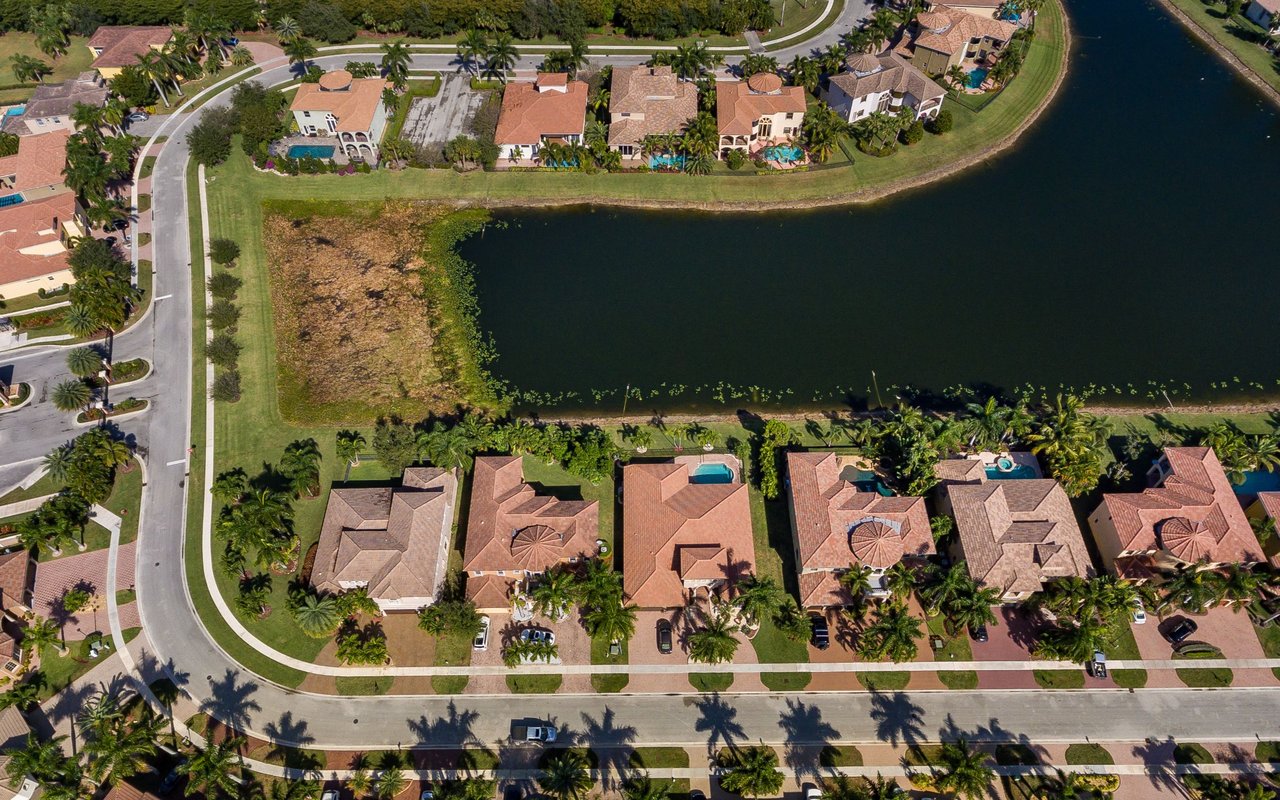
Palm Beach and Wellington are not the same kind of place, and that is exactly the point. Official town and village materials present Palm Beach as a residential, cultural, and recreational destination, while Wellington is organized around a substantial equestrian footprint within Palm Beach County. That split creates a lifestyle many buyers find practical and appealing.
In simple terms, Palm Beach often serves as the home base for residential living, entertaining, and time near the water. Wellington, by contrast, is where the horse infrastructure is concentrated. If your priorities include both a refined estate lifestyle and serious equestrian access, the two locations can complement each other well.
Palm Beach as the Estate Base
Palm Beach offers the setting many second-home and seasonal buyers want. The town highlights 12 miles of beachfront, two public beaches, the nearly six-mile Lake Trail, a town marina, and public golf and tennis facilities. For daily life, it also points to shopping and dining areas around Royal Poinciana Way, Worth Avenue, and Royal Poinciana Plaza.
That combination supports a residential routine that feels polished but usable. You can enjoy waterfront scenery, outdoor recreation, and cultural programming, then return home to a more private estate setting. For buyers who entertain frequently or host seasonal guests, that balance can matter just as much as the property itself.
Palm Beach also has a long-established identity as a winter address. The town’s history materials note that many residents use Palm Beach as a winter home, which helps explain its seasonal rhythm and hospitality-forward feel. If your calendar follows show season, that timing can align naturally with how the town is already experienced.
Culture and Recreation on the Island
Palm Beach offers more than a beautiful address. The Society of the Four Arts describes a 10-acre campus with a performance hall, art gallery, education center, libraries, and sculpture gardens, with most programming running from November through May. That calendar lines up closely with the months when many seasonal residents are in town.
The Flagler Museum adds another layer to the area’s cultural life. Whitehall, Henry Flagler’s Palm Beach estate, is preserved as a museum with tours, exhibitions, and special programs. For buyers who value architecture, history, and a fuller social season, these amenities help define what living in Palm Beach can feel like.
Wellington as the Horse Base
Wellington is where the equestrian side becomes operational. The village says the Equestrian Preserve Area spans about 9,000 acres and includes Wellington International, the National Polo Center, equestrian farms and facilities, and a network of public and private bridle trails. It also reports more than 100 miles of bridle trails and more than 580 farms supporting polo, dressage, hunter/jumper, and recreational riding.
That scale is what makes Wellington distinct. This is not simply a luxury community where horses happen to be nearby. It is a place built to support horse care, training, competition, and the broader ecosystem that performance equestrian life requires.
Wellington International anchors much of that calendar. It is home to the Winter Equestrian Festival and the Adequan Global Dressage Festival, with the winter season running from January through March. According to the venue, WEF spans 13 weeks and AGDF spans 10 weeks, drawing riders, trainers, staff, families, and horses from all 50 states and more than 34 countries.
Beyond the Winter Season
Wellington’s equestrian activity does not stop when winter ends. Wellington International says Equestrian Village hosts dressage from January through March and hunter/jumper competitions from April through October. That extended schedule is important if you are thinking beyond a short seasonal stay.
The village also positions itself as a year-round world-class equestrian community. In practical terms, that means Wellington supports more than headline events. It supports the daily routine of barns, arenas, turnout, training schedules, and movement between facilities.
For many families, that is the real benefit of a Wellington connection. Your horse operation can stay where the infrastructure already exists, while your residential life can remain centered somewhere that serves a different set of priorities.
How the Split-Base Lifestyle Works
A common pattern is simple: Palm Beach for living and Wellington for horses. While every family handles the schedule differently, the structure makes sense because each place serves a different role within the same county. Palm Beach supports privacy, entertaining, beach access, and culture, while Wellington supports the operational demands of equestrian life.
This arrangement can be especially appealing during the busiest stretch of show season. Palm Beach gives you a polished home environment for family life and guests, while Wellington keeps the barn, training, and competition logistics in the setting designed for them. Rather than forcing one property to do everything, you let each location do what it does best.
That does not mean the setup is effortless. It still requires planning around training times, events, household schedules, and transportation. But the local geography makes the concept realistic for buyers who want both sides of the lifestyle.
Travel and Commuting Practicalities
Access matters when you are managing both a residence and an equestrian schedule. Palm Beach’s resident guide notes that three bridges connect West Palm Beach to Palm Beach, which gives useful context if you are moving between the island and the mainland. That bridge access is one reason the residential and operational split can function in day-to-day life.
Airport proximity is another major advantage. Palm Beach County says Palm Beach International Airport is 3.5 miles west of Palm Beach, and the town reports that PBI averages 180 daily flights across 13 airlines. For seasonal owners, visiting family, or quick travel during peak competition weeks, that convenience is meaningful.
Wellington International says its venue is about 20 minutes from PBI. Taken together, these details support the idea that Palm Beach, Wellington, and the airport form a workable triangle for buyers balancing home life, guests, and horse commitments. The distances are manageable, even if your day still depends on careful timing.
Property Considerations in Both Locations
When you compare Palm Beach and Wellington real estate, the key is not deciding which one is better. The better question is which role each property needs to play in your life. That is where a clear advisory process matters.
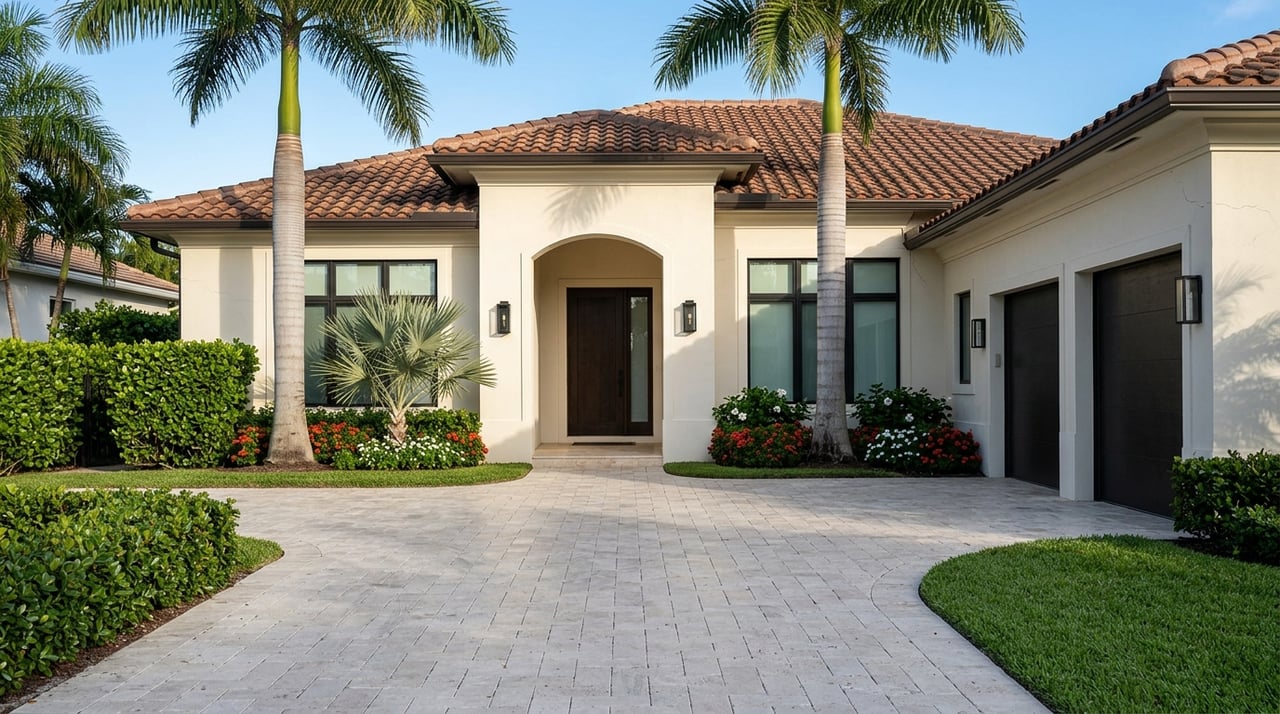
In Palm Beach, buyers are often focused on privacy, entertaining spaces, guest accommodations, and access to the town’s cultural and recreational amenities. The property may function as a primary winter residence, a second home, or the social center of the season. The selection criteria are often estate-driven rather than horse-driven.
In Wellington, the checklist becomes more operational. Buyers often need to evaluate how a property supports barns, arenas, paddocks, staff accommodations, circulation, and access to equestrian facilities. For show-ready or working equestrian properties, technical detail is not a side issue. It is central to whether the asset truly fits your program.
Planning and Long-Term Fit
Local planning frameworks also help explain why the two markets feel different. Palm Beach notes its focus on historic preservation standards, zoning, public safety, and public works services. Wellington’s equestrian code is designed to preserve equestrian character and manage development, land use, and drainage in the preserve area.
For buyers, this matters because long-term fit is about more than finishes and location. It is also about how the surrounding community is structured and what that means for future use, privacy, and operations. If you are evaluating both a Palm Beach estate and a Wellington farm, those local rules shape the ownership experience over time.
Who This Lifestyle Suits Best
This two-location approach tends to appeal to buyers who want a high level of specialization in both settings. One property supports the residential, social, and seasonal side of life. The other supports the daily realities of horses, training, and competition.
That can be a strong fit for performance-equestrian families, riders with an active winter calendar, and second-home buyers who want Palm Beach amenities without giving up serious equestrian access. It can also work for buyers who value discretion and want a more tailored approach to how their real estate supports their schedule.
The important thing is to think clearly about how you actually live. If you want your estate to feel calm, private, and guest-ready, and your horse property to function with purpose and efficiency, Palm Beach and Wellington can provide a very compelling combination.
Why Specialized Guidance Matters
A lifestyle that spans Palm Beach and Wellington asks more from your real estate strategy than a standard home search. You are not just comparing square footage or finishes. You are weighing privacy, access, seasonality, airport convenience, and, in Wellington, the operational details that can define whether a horse property is truly ready to perform.
That is where local and technical knowledge become especially valuable. Understanding estate positioning in Palm Beach is one part of the conversation. Understanding barns, arenas, facility layouts, and the demands of show season in Wellington is another.
For buyers and sellers in this niche, the best outcomes usually come from advice that respects both sides of the equation. The Palm Beach estate lifestyle and the Wellington equestrian lifestyle are complementary, but they require different evaluation lenses. When those pieces are aligned well, the result can be a smoother and more rewarding ownership experience.
If you are considering a Palm Beach estate, a Wellington equestrian property, or a combination of the two, David Welles offers discreet, technically informed guidance tailored to Palm Beach County’s luxury and equestrian markets.
FAQs
What does a Palm Beach and Wellington lifestyle mean?
- It usually refers to using Palm Beach as a residential and entertaining base while relying on Wellington for horse care, training, and competition access.
Why do buyers connect Palm Beach with Wellington?
- Palm Beach offers beaches, culture, recreation, and a seasonal estate lifestyle, while Wellington has the equestrian infrastructure, events, farms, and bridle trails that support horse operations.
How close is Palm Beach to Palm Beach International Airport?
- Palm Beach County says Palm Beach International Airport is 3.5 miles west of Palm Beach, making travel convenient for seasonal arrivals, guests, and show-season scheduling.
What makes Wellington important for equestrian living?
- Wellington’s official materials describe a large equestrian preserve area with more than 580 farms, more than 100 miles of bridle trails, and major competition venues including Wellington International.
Is Wellington only busy during winter show season?
- No. The winter season is the peak period, especially from January through March, but Wellington International also hosts additional dressage and hunter/jumper competitions beyond winter.
What should buyers compare between Palm Beach and Wellington properties?
- Buyers should compare each property based on its role, such as privacy and entertaining in Palm Beach versus barn layout, arena setup, paddocks, staff space, and operational readiness in Wellington.