If you are selling acreage in Loxahatchee, calling it "country living" is not enough. Equestrian buyers want to know how the land functions, how horses and trailers move through it, and whether the property has a clear path for future improvements. When you position the property with that level of clarity, you attract more serious interest and set better expectations from the start. Let’s dive in.
Why equestrian positioning matters in Loxahatchee
Loxahatchee sits in a part of Palm Beach County where rural, agricultural, and equestrian uses are not an afterthought. County planning policy specifically supports the protection and continuation of semi-rural residential, agricultural, and equestrian communities in this area, including The Acreage.
That matters when you market a property. Instead of using vague lifestyle language, you can present the parcel as part of an established horse-oriented landscape with local policy support for equestrian and agricultural character. For buyers who know this market, that framing feels more credible and more useful.
Lead with usable acreage
Equestrian buyers usually start with one basic question: What can I do with this land today? That is why usable acreage should be front and center in your marketing, along with a clear explanation of what is already improved and what remains future potential.
If the property is not yet a fully built horse farm, you can still tell a strong story. Focus on the parts of the site that already support horse use or make future horse use easier to understand.
Show the improvement envelope
A clean site plan is often more persuasive than broad acreage claims. Buyers want to see where the house area ends, where horse areas could function, and where future improvements may fit.
Useful items to show include:
- Existing pasture or open grazing areas
- Paddock locations
- Driveway access points
- Trailer turnaround space
- Parking or loading areas
- Logical barn or arena locations described as future potential
This approach helps buyers picture the property as a functional rural site, not just a large lot.
Separate current condition from future potential
One of the most important parts of positioning is precision. Existing fencing, improved access, drainage work, and horse-friendly circulation are present-day selling points. Future barn sites, arena layouts, or expanded support structures should be described as potential only, subject to zoning, drainage, flood, and permit review.
That distinction builds trust. It also reduces the risk of overpromising to buyers who are looking closely at operational details.
Access and drainage are core selling points
In Loxahatchee and nearby areas, access and drainage are not minor details. The local water control district is responsible for drainage, flood control, stormwater management, canals, road rights-of-way, and water and sewer services, and the district includes miles of unpaved roads and canals.
For equestrian buyers, that means the practical side of the site matters just as much as curb appeal. A beautiful parcel can lose momentum if trailer access is tight, culverts are unclear, or drainage patterns raise questions.
What buyers want to confirm
Before a buyer sees the property as horse-ready, they often want clear answers about:
- Driveway width and ease of entry
- Trailer circulation and turnaround room
- Loading and parking areas
- Culverts, bridges, or internal crossings
- Drainage ditches or water flow patterns
- Whether road connections or driveway changes may require review or permits
Palm Beach County guidance says driveway connections to county-maintained roads may require permits, and even changes to existing residential driveways can trigger review. That is why access should be marketed as a regulated feature, not just a convenience feature.
Use photos that prove functionality
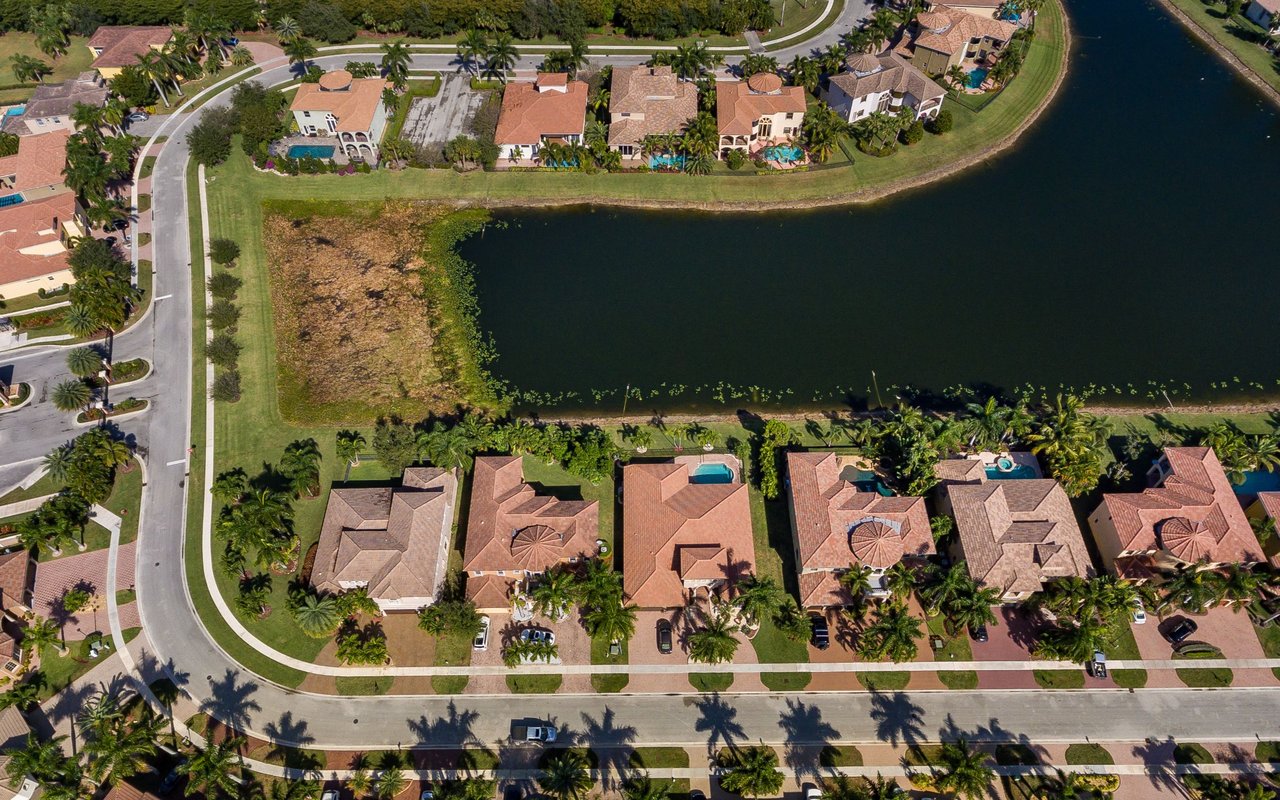
For this type of property, beauty shots alone are not enough. Listing photos and aerials should show how the site works.
That may include:
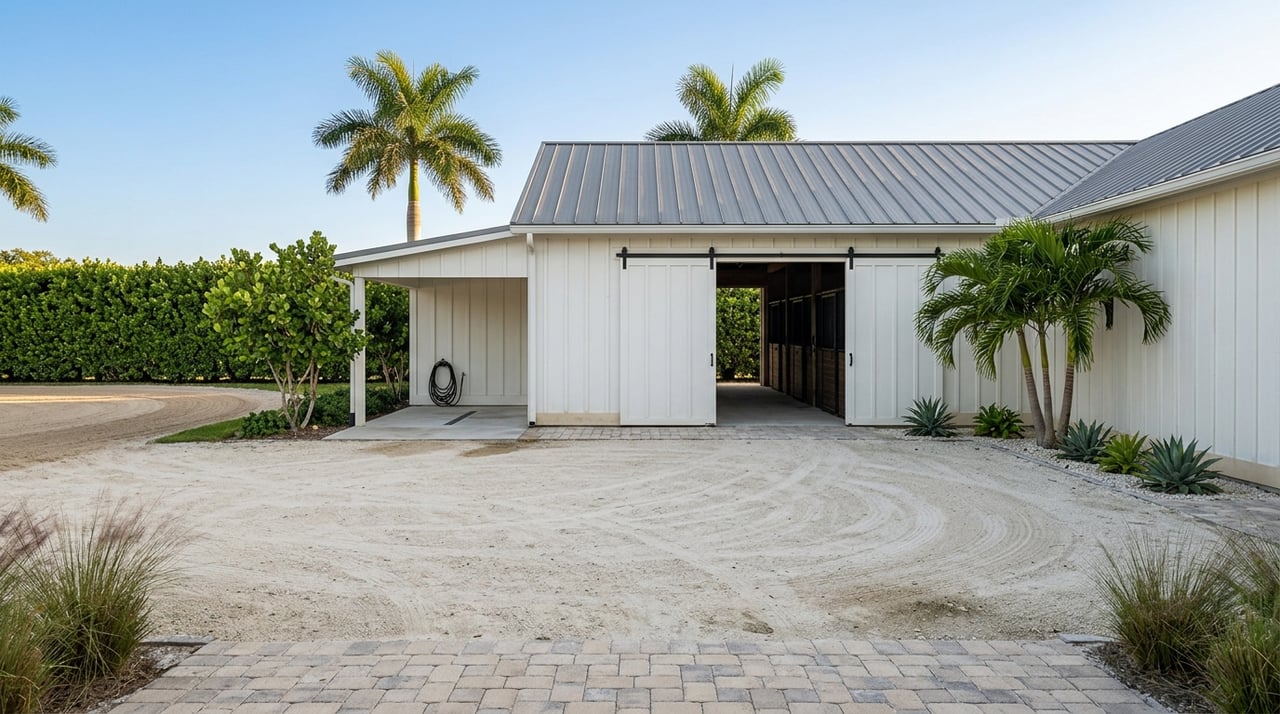
- Entry gates and driveway approach
- Open areas where trailers can maneuver
- Existing paddocks or fenced sections
- Canal edges, ditches, or drainage features when relevant
- The relationship between the residence, open land, and potential horse areas
In a specialized acreage sale, practical visuals help serious buyers move faster.
Be precise about zoning and permitted uses
Acreage can appeal to equestrian buyers even if it is not yet a finished farm. Still, your marketing should be careful and exact about what the current zoning allows.
In Loxahatchee Groves Agricultural Residential zoning, the ordinance lists uses that include agriculture and private stables, along with several other categories. Some uses may require special exception review. That means your listing should avoid broad claims and instead describe the property based on confirmed, current facts.
Do not market assumptions as approvals
This is where many acreage listings get too loose. A buyer may love the idea of adding a barn, arena, boarding component, or other equestrian improvements, but that does not mean every concept is already approved.
The better strategy is simple: describe the parcel as having equestrian appeal and potential, then note that future uses or structures should be confirmed through local zoning, building, drainage, and permit review. That keeps the presentation strong while staying grounded in reality.
Understand agricultural improvement rules
For some sellers, agricultural classification and improvement rules can affect how the property is presented. Palm Beach County says agricultural building permit exemptions apply only when the property is classified as agricultural by the Property Appraiser and used primarily for bona fide agricultural purposes.
That is an important threshold. It means you should verify current classification and actual use before making any claim about agricultural treatment, exemptions, or reduced permitting requirements.
What may matter for barns and fences
County guidance says non-residential farm buildings, farm fences, and farm signs on bona fide agricultural land may be exempt from the Florida Building Code and certain county or municipal code or fee requirements, except for floodplain management regulations. The county also recognizes internal roads, bridges or culverts, and irrigation or drainage ditches as bona fide agricultural activities.
For a seller, this can be relevant if the property has already been improved for access, circulation, or agricultural use. It can also matter if a buyer is evaluating build-out potential. Even so, these points should be handled carefully and only with verified property-specific facts.
Remember that flood rules still apply
If a proposed barn, arena, or support structure is in a FEMA flood zone, flood regulations still apply. That makes flood and drainage review an important part of any horse-property conversation in this area.
It is another reason why smart equestrian marketing focuses on a clear regulatory path, not just a vision board.
Highlight trailer-friendly access to local riding infrastructure
Local trail access helps support the equestrian story when it is relevant to the property. Palm Beach County’s trail system includes equestrian routes at places such as Loxahatchee Groves Park, Loxahatchee Slough, and Royal Palm Beach Pines. Royal Palm Beach Pines also offers trailer parking, and county trail rules state that horses have the right of way on shared trails.
For a seller, this does not replace on-site utility. But it does strengthen the broader market context. If your property supports practical trailer loading and parking, that feature can resonate with buyers who value access to established riding options in the area.
Presentation choices that strengthen your listing
Acreage listings perform better when the presentation is specific. Equestrian buyers are often evaluating operational fit, not just lifestyle appeal.
That means your listing materials should answer practical questions early and clearly.
What to include in marketing materials
Strong acreage marketing often includes:
- A readable site plan
- Survey or boundary context when available
- Aerial photography that shows layout and circulation
- Clear remarks about existing improvements
- Careful language about future build potential
- Notes on access, drainage, and trailer functionality
This is where specialist guidance matters. Buyers in this segment often notice details that general marketing misses.
Use the right tone
The strongest language is measured and factual. Instead of overselling, explain how the land functions and why that functionality matters.
For example, it is more persuasive to say a parcel offers usable open ground, established access, and a logical future barn envelope than to rely on broad phrases about endless possibilities. In this market, credibility is a selling tool.
The best positioning strategy for sellers
The most effective way to market a Loxahatchee acreage property to equestrians is to present it as a functional rural site with a clear next step for the buyer. That means emphasizing what is already usable, documenting access and drainage, and being disciplined about zoning and improvement language.
When done well, that approach attracts buyers who understand the market and appreciate operational clarity. It also helps your property stand out for the right reasons, especially in a niche where utility, circulation, and technical detail often carry as much weight as appearance.
If you are preparing to sell acreage in Loxahatchee, thoughtful equestrian positioning can make the difference between broad interest and qualified interest. For discreet, technically informed guidance on presenting horse property and rural acreage in Palm Beach County, schedule a confidential consultation with David Welles.
FAQs
How should you market a Loxahatchee acreage property to equestrian buyers?
- Focus on usable acreage, access, drainage, trailer circulation, existing improvements, and clearly defined future potential rather than general lifestyle language.
What site features matter most to equestrian buyers in Loxahatchee?
- Buyers often look closely at paddock areas, driveway access, trailer turnaround space, parking, drainage features, open build areas, and the relationship between the house and horse-use areas.
Can you advertise future barn or arena plans for a Loxahatchee property?
- You can describe future barn or arena locations as potential, but they should be presented as subject to zoning, building, drainage, flood, and permit review.
Do agricultural rules affect barns and fences in Palm Beach County?
- They can, but county guidance says agricultural exemptions apply only when the property is classified as agricultural and used primarily for bona fide agricultural purposes.
Why are drainage and access so important for horse properties in Loxahatchee?
- Local conditions include canals, stormwater systems, flood-control concerns, and unpaved roads, so buyers often want to confirm that trailers, horses, and future improvements can function smoothly on the site.
What zoning point should sellers understand for Loxahatchee equestrian marketing?
- Sellers should be precise about current permitted uses and avoid implying that all future equestrian or commercial concepts are already approved, since some uses may require special exception review.