If you are thinking about selling a Wellington equestrian farm, timing can shape everything from buyer interest to days on market. In this part of Palm Beach County, your sale is influenced by more than a typical spring market. It often depends on the winter horse show circuit, the county’s high tourism season, and how much competing inventory is already available. Knowing how those pieces fit together can help you choose a launch window with more confidence. Let’s dive in.
Why timing matters in Wellington
Selling a farm in Wellington is not the same as selling a standard luxury home. Many buyers are tied to the equestrian calendar, which means they shop when they are physically in town, actively competing, or preparing for the season. That creates a market rhythm that is far more seasonal and event-driven than many sellers expect.
Wellington International reports that the 2026 Winter Equestrian Festival runs from Dec. 31, 2025 through March 29, 2026, with event dates from Jan. 7 through March 29. It also notes that the winter season attracts visitors from all 50 states and more than 34 countries. For sellers, that means winter brings a uniquely broad pool of potential buyers into the local market.
Winter is the core demand window
The show season brings buyers to town
The clearest demand window for a show-ready farm is the winter season. Wellington International says the winter season includes 13 weeks of WEF and 10 weeks of AGDF from January through March, with competition continuing from November through April. If your property is positioned for riders, trainers, or seasonal equestrian owners, that stretch usually offers the strongest on-the-ground exposure.
The official 2026 AGDF program starts Jan. 7 and runs through March 29, almost matching the WEF calendar. That overlap matters because it keeps multiple segments of the equestrian community in Wellington at the same time. More activity in town can translate into more qualified farm buyers touring properties.
Palm Beach County high season adds momentum
The winter market is strengthened by tourism patterns across Palm Beach County. Discover The Palm Beaches reports that Thanksgiving marks the start of high season, and its tourism research shows Q1 and Q4 are the county’s strongest visitation quarters. In other words, Wellington’s busiest equestrian months also line up with the area’s busiest travel months.
That broader travel demand supports the local buyer pool. Discover The Palm Beaches says Palm Beach County hosted about 9.48 million visitors in 2023, with 30% arriving in Q1 and 24% in Q4. Its research also identifies major origin markets such as New York, Miami, Orlando, Tampa, and Canada, which helps explain why winter buyers in Wellington often include both domestic and international prospects.
Travel access supports a wider audience
Palm Beach International Airport traffic also reinforces this pattern. Its February 2026 traffic report showed 827,954 passengers for the month and listed domestic and international carriers, including Air Canada, Porter, and Bahamasair. For sellers, that is one more sign that Wellington’s buyer audience during season is not limited to local residents.
For a farm that depends on equestrian appeal, this matters. Buyers often want to see barn layout, arena footing, paddock setup, trailer access, and acreage flow in person. A strong in-town audience during season can make those showings easier to generate.
What current inventory suggests
Wellington has meaningful competition
Current market data suggests sellers should not assume a fast sale just because Wellington is well known. Zillow reported 549 for-sale listings, 121 new listings, and a median 36 days to pending in Wellington as of March 31, 2026. Realtor.com reported 699 homes for sale, a 97% sale-to-list ratio, a median 68 days on market, and described Wellington as a buyer’s market in March 2026.
Redfin also reported a slower pace, with 62 days on market in March 2026. The exact figures vary by platform, but the broad message is consistent. There is real inventory in the market, and absorption may be slower than some sellers expect.
Equestrian submarkets can move slower
Farm properties can take even longer to sell than the broader Wellington average. In Saddle Trail Park, Realtor.com showed 15 homes for sale, a median listing price of $5.03 million, and 122 median days on market in February 2026. It classified that submarket as balanced, which points to a more measured pace for luxury equestrian listings.
Palm Beach Point had 12 homes for sale in March 2026. That may sound small, but in a niche market, a few competing farms can meaningfully affect visibility. When inventory is limited and specialized, pricing, presentation, and timing carry more weight.
County supply still needs context
Florida Realtors’ Palm Beach County single-family summary for February 2026 put months supply at 4.9, below the 5.5-month benchmark it uses for a balanced market. At the same time, the report notes that inventory metrics are affected by seasonal cycles. That is an important reminder for Wellington sellers.
A single month never tells the full story, especially in a seasonal equestrian market. You need to read local supply together with the show calendar and current competing inventory. That is where a specialist perspective becomes especially useful.
Best times to launch a Wellington farm
Late fall to early winter
If your farm is show-ready, late fall to early winter is often the strongest launch window. This timing can place your property in front of buyers just as Wellington’s winter population begins to build and Palm Beach County enters high season after Thanksgiving. It gives you a chance to capture attention before the busiest stretch of competition activity begins.
For many sellers, this is the sweet spot. You can be visible as equestrian buyers arrive, settle in, and begin touring properties. You also avoid rushing photos, staging, or repairs once the season is already underway.
January through March
January through March brings the highest level of on-the-ground buyer traffic. WEF and AGDF are both active, and Wellington International says winter competition continues through this period. If your property is already market-ready, this can be a strong time to launch or intensify exposure.
That said, preparation should already be complete by then. If you wait until mid-season to start repairs, clean-up, or media production, you may miss some of the best buyer attention. In a market where many buyers start online, your first impression matters.
Early to mid-April
If you miss winter prep, early to mid-April can be a reasonable fallback. National research cited in the report points to April 12 to 18 as a strong listing week in 2026. While Wellington has its own seasonal pattern, spring can still offer a useful second chance if your property was not ready earlier.
This option works best when quality preparation takes priority over forcing a winter debut. A polished listing launched slightly later can outperform a rushed listing that enters the market with weak visuals or unfinished presentation.
May through October
Summer and early fall are not inactive, but they are usually less aligned with Wellington’s biggest seasonal audience. Wellington International still hosts competition from May through October, so this period is not a dead zone. Even so, the tourism-driven buyer crowd is smaller than during winter high season.
This window may still make sense if you want more time to prepare the farm, prefer a quieter marketing approach, or value discretion. In a niche market, the right buyer can emerge in any season. The key is matching your timing to the property’s condition and your goals.
Why preparation matters before launch
Buyers judge online first
The research strongly supports completing preparation before the public launch. NAR’s 2025 staging report found that 73% of buyers’ agents said photos were highly important, and 83% said staging made it easier for buyers to envision the property. It also reported that 49% saw reduced time on market when homes were staged.
That matters even more for equestrian properties. Buyers often want to understand the full operation from the first look, including barns, arenas, tack rooms, paddocks, staff quarters, and overall layout. If your media package is incomplete or unclear, you may lose attention before a showing is ever scheduled.
A complete presentation package matters
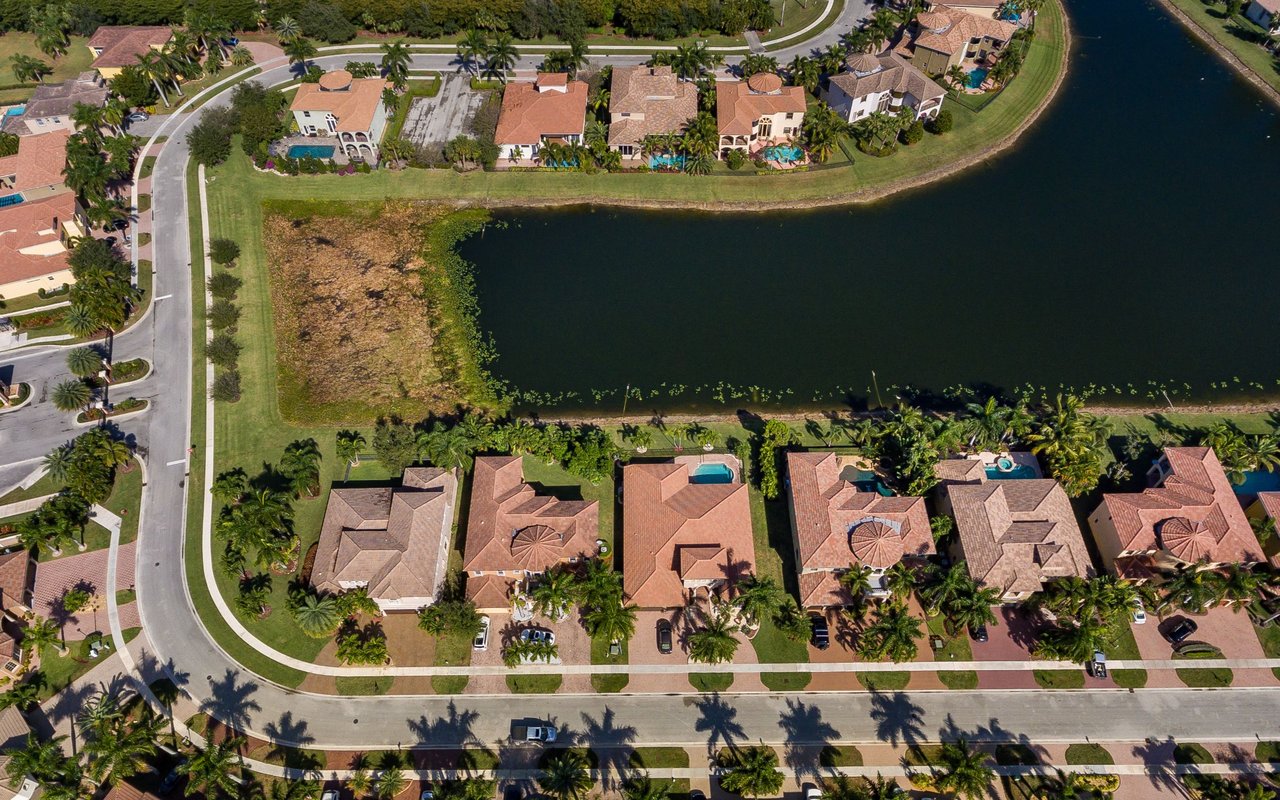
NAR also notes that nearly half of interested buyers begin online and that professional photos, video, virtual tours, and floor plans are key parts of the presentation package. For a Wellington farm, aerial or acreage imagery can be especially helpful because it shows the relationship between residence, stables, riding areas, and access points.
This is where thoughtful planning pays off. The goal is not just to list the farm. The goal is to present it in a way that helps the right buyer quickly understand its value and functionality.
A practical timing plan
If you are deciding when to sell, a simple workback schedule can help:
- Several weeks before launch: complete repairs, clean-up, staging, photography, video, floor plans, and aerial imagery.
- Late fall to early winter: aim to go public if the property is fully ready and you want to align with winter-season demand.
- January through March: capitalize on peak buyer traffic, but only if your marketing materials and positioning are already complete.
- Early to mid-April: consider this as a strong backup window if winter timing was not realistic.
- May through October: use this period if you need additional preparation time or want a more discreet pace.
Questions to discuss before listing
Before you choose a date, it helps to talk through a few property-specific questions:
- Is the farm truly show-ready, or do you need a prep period first?
- Should the first audience be local Wellington brokers, equestrian insiders, or broader Palm Beach luxury buyers?
- Which features should lead the marketing package: barn specs, arenas, paddocks, trailer circulation, acreage, or residential amenities?
- Would a soft launch make sense before a broader public release?
- How much flexibility do you want around closing timing, especially if a buyer is paying cash versus using financing?
Each of these answers can affect your launch strategy. In a market as specialized as Wellington, the best timing is rarely just about the calendar. It is about matching the right season to the right level of preparation and the right buyer audience.
Selling a Wellington equestrian farm is part market timing, part presentation strategy, and part local knowledge. When you align your launch with the winter circuit, Palm Beach County’s high season, and the realities of current inventory, you put yourself in a stronger position to attract qualified interest. If you want a tailored plan for your property, schedule a confidential consultation with David Welles.
FAQs
When is the best time to sell a Wellington equestrian farm?
- For many sellers, late fall to early winter offers the best chance to capture winter-season equestrian buyers before peak competition activity begins.
Is January through March a good time to list a Wellington farm?
- Yes, because buyer traffic is typically strongest during WEF and AGDF, but your property should already be fully prepared before that window opens.
Does Palm Beach County tourism affect Wellington farm sales?
- Yes, county tourism data shows Q1 and Q4 are the strongest visitation periods, which supports more seasonal travel and buyer presence in Wellington.
Do equestrian farms in Wellington take longer to sell?
- They can, especially in niche submarkets where inventory is limited and buyers are more selective about facility features and location.
Should you prepare photos and video before listing a Wellington farm?
- Yes, research supports finishing staging, photography, video, floor plans, and aerial imagery before launch so buyers can understand the property clearly online.
Can you sell a Wellington equestrian farm in summer?
- Yes, summer is not inactive, but it usually has less tourism-driven buyer traffic than the winter season, so strategy and presentation become even more important.